youssef_itani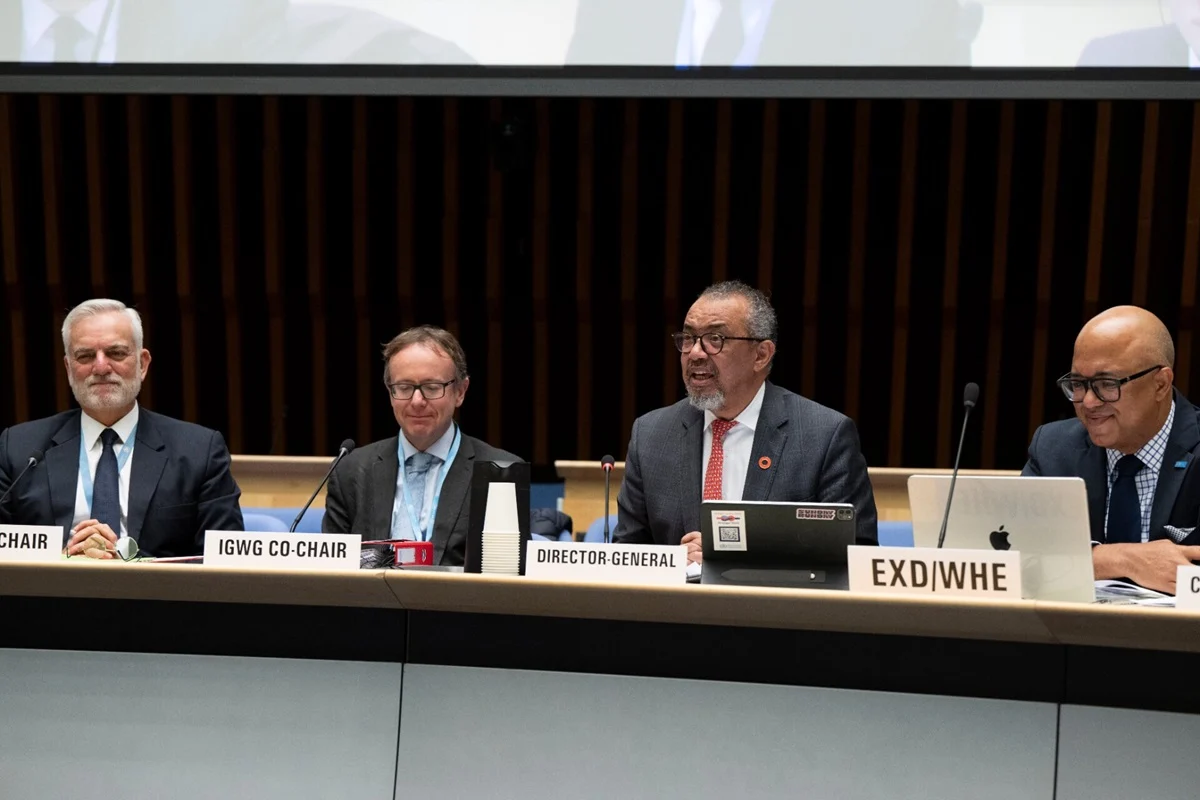
In an important step, Member States started discussing for the first time the proposed draft text of the annex to the WHO Pandemic Agreement that establishes the Pathogen Access and Benefit Sharing (PABS) system. The PABS system is a key part of the global agreement adopted earlier in 2025 to make the world safer from future pandemics.
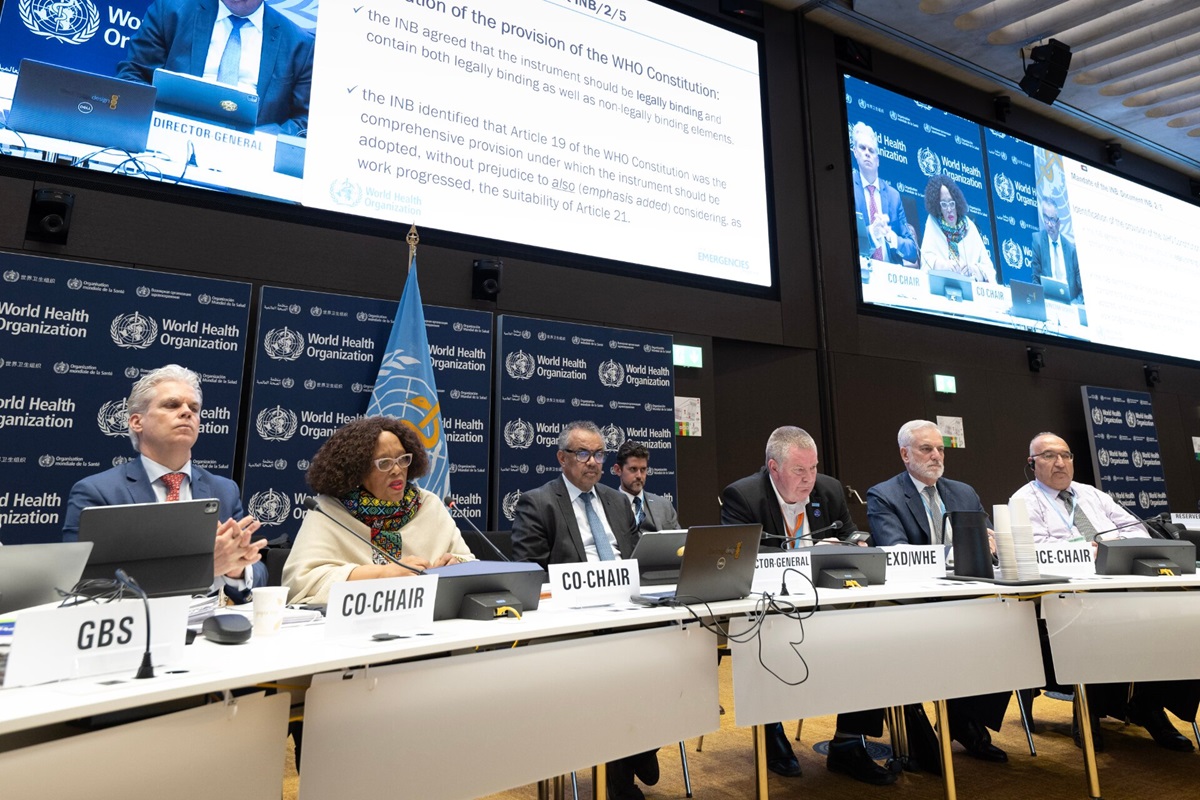
The draft PABS annex was discussed at the Third meeting of the Intergovernmental Working Group (IGWG) that took place over 3–7 November in Geneva. The World Health Assembly established the IGWG to undertake several tasks, including, as a priority, to draft and negotiate the PABS annex to the WHO Pandemic Agreement.
“I thank Member States for their vital efforts to negotiate the first draft of the PABS annex and commend them on the progress made in finding shared positions and solutions to the shared risks and challenges posed by future pandemics,” said WHO Director-General Dr Tedros Adhanom Ghebreyesus. “Solidarity is our best immunity. Finalizing the Pandemic Agreement, through a commitment to multilateral action, is our collective promise to protect humanity.”
To enable a timely and effective response to future pandemics, countries must be able to quickly identify pathogens that have pandemic potential and share their genetic information and material so scientists can develop tools like tests, treatments, and vaccines. The PABS system will facilitate the rapid and timely sharing of materials and sequence information from pathogens with pandemic potential. It will also, on an equal footing, enable the rapid, timely, fair and equitable sharing of benefits arising from such materials and sequence information.
The draft text under consideration outlines provisions designed to operationalize the commitments made in Article 12 of the WHO Pandemic Agreement on equitable access to life-saving tools during health crises.
“Difficult decisions on making the world safer from the threat of future pandemics require difficult conversations. This week, WHO Member States have shown they are capable of those. By considering complex issues head-on, these negotiations are ensuring that future pandemic responses will be fair, timely and grounded in solidarity,” said IGWG Bureau co-chair Ambassador Tovar da Silva Nunes, of Brazil. “Seeing the Member States’ disposition to tackle these issues, I am optimistic that we will deliver a finalized annex to the World Health Assembly for adoption in May 2026.”
Fellow IGWG Bureau co-chair Mr Matthew Harpur, of the United Kingdom, said “Countries across the world this week again showed their commitment to making sure we, collectively, are better protected from future pandemics by constructively engaging on making progress in these negotiations and we look forward to further discussions in December.”
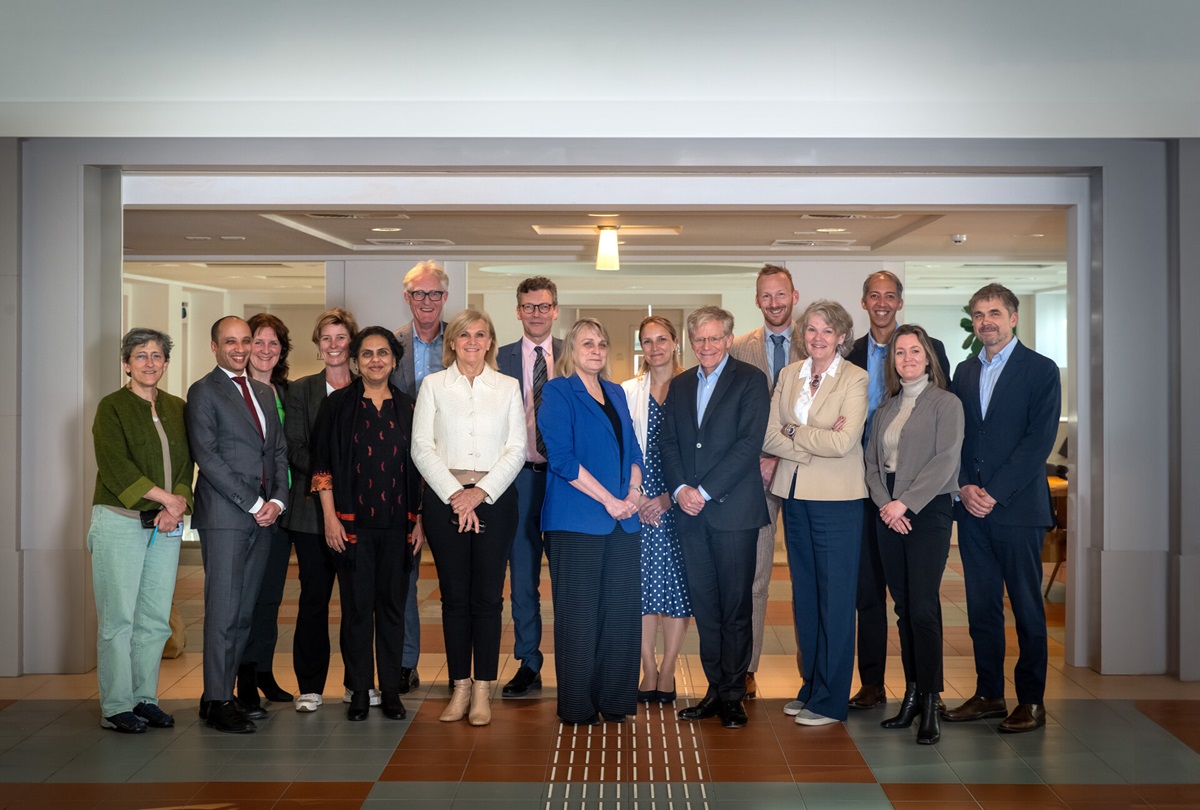
During the week, IGWG members also met with stakeholders, including civil society and industry representatives, to gather their views on the PABS annex. The finalized document will be submitted to the Seventy-ninth World Health Assembly in 2026 for consideration. Once it is adopted, the process of approval of the Pandemic Agreement by national parliaments can begin.