youssef_itani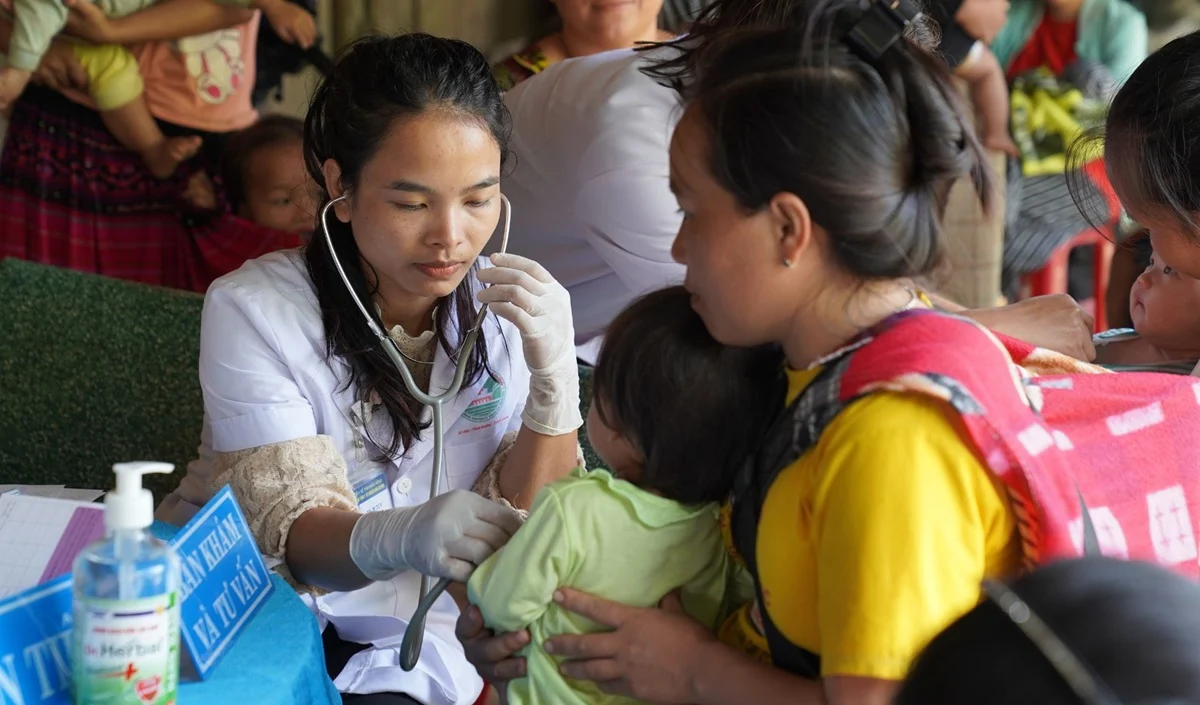
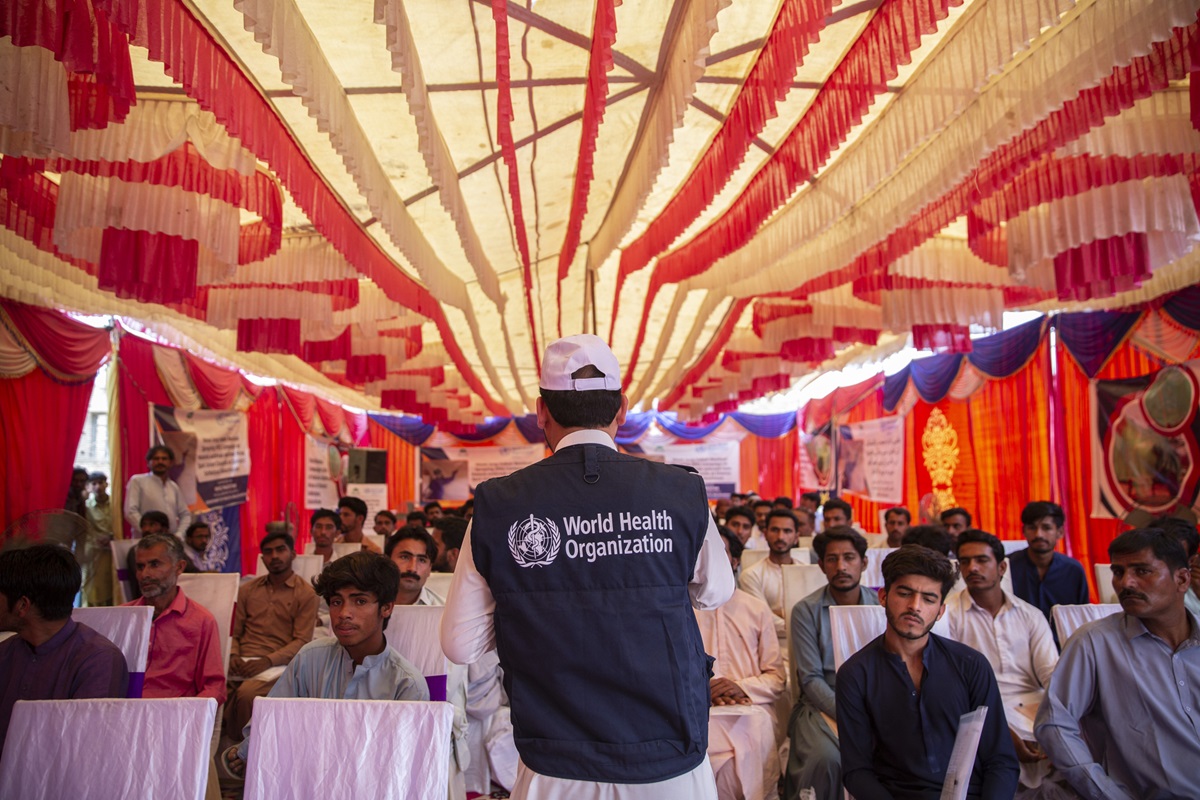
The World Health Organization (WHO) and the European Union (EU) have renewed their collaboration on achieving universal health coverage with the launch of Phase V (2025–2028) of the Universal Health Coverage (UHC) Partnership – WHO’s largest platform for strengthening health systems and advancing primary health care. The announcement was made today by the European Commissioner for International Partnerships, Jozef Síkela and WHO Director-General, Dr Tedros Adhanom Ghebreyesus on the sidelines of the 80th UN General Assembly in New York City.
With a new EU financial support of €40 million and an additional contribution foreseen in 2027, the EU and WHO will focus through this Phase V on building resilient, equitable, and people-centred health systems – key to achieving the health-related Sustainable Development Goals (SDGs). The EU is a founding and leading donor to the UHC Partnership, enabling WHO to provide long-term, in-country technical support aligned with national health priorities.
Since its inception in 2011, the WHO UHC Partnership has supported health ministries in implementing inclusive reforms, and has contributed to improved governance, service delivery, health financing and response to health emergencies in over 115 countries. Through this initiative, the EU and WHO have enabled measurable improvements in service coverage and health system performance, reaching more than 3 billion people worldwide.
With this new EU contribution, WHO will focus on countries where its support is most needed in addressing critical gaps in health systems. The partnership will play a key role in promoting the implementation of the Lusaka Agenda and in driving increased domestic resource mobilization. It will also help countries in implementing the new vision for the prevention and control of noncommunicable diseases (NCDs), mental health and well-being to be considered by the High-Level Meeting at the United Nations General Assembly on 25 September.
Commissioner for International Partnerships Jozef Síkela said: “Strong health systems are the cornerstone of sustainable development, resilience, and global stability. This is why investing in their strengthening is a central pillar of the EU’s Global Gateway strategy. Working together with WHO to achieve universal health coverage, and supporting local manufacturing, regulatory frameworks and skills, the EU affirms its commitment to ensuring that all people can access quality health services, when and where they need them, without facing financial hardship.”
“Achieving health for all requires partnership among all, and the renewed collaboration between the European Union and WHO to advance universal health coverage will help millions of people around the world access the quality health services they need,” said Dr Tedros Adhanom Ghebreyesus, WHO Director-General. “Together, WHO and the EU are translating global health commitments for strong health systems and universal health coverage into national action – ensuring no one is left behind.”
Phase V comes at a critical time, as countries face climate change, economic instability challenges and reduced development assistance. The EU’s commitment reinforces its role as a global health leader and partner in advancing UHC through a primary health care approach.
Key priorities for Phase V include:
- strengthening health financing, governance, reforms and policy dialogue for self-reliant health systems;
- strategic planning, evidence-informed priority setting and health systems assessment to improve health sector performance;
- ensuring integrated, high quality, affordable service delivery, including sexual and reproductive health and noncommunicable disease services, through a PHC approach; and
- promoting equity, gender equality, and climate resilience.
The initiative aligns with the EU Global Health Strategy and WHO’s 14th General Programme of Work (GPW14), reflecting a shared vision of health for all. The EU is committed to supporting countries in developing resilient, equitable, and sustainable health systems.