youssef_itani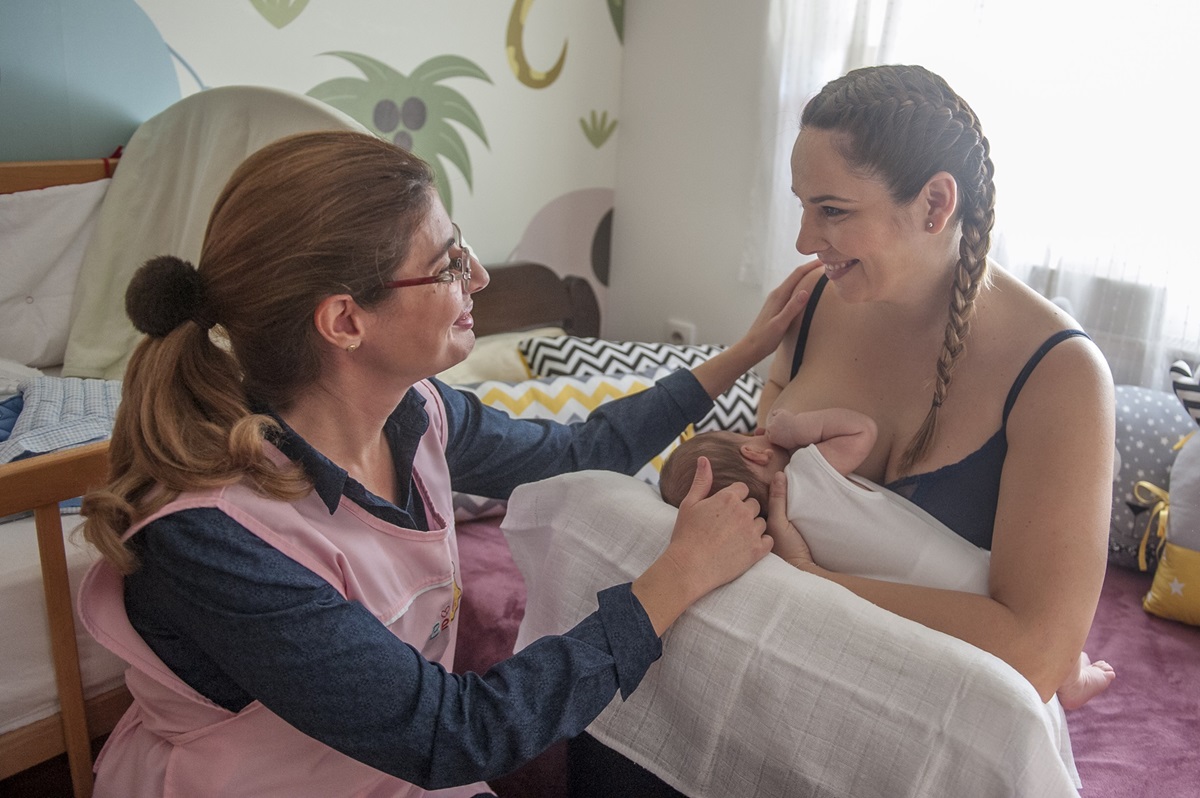
Breastfeeding is one of the most effective ways to ensure a baby’s health, development, and survival in the earliest stages of life. It acts as their first vaccine, providing protection against diseases including diarrhoea and pneumonia.
Investing in breastfeeding is an investment in the future, yet only 48 per cent of infants under six months are exclusively breastfed – well below the World Health Assembly target of 60 per cent by 2030. This is due to the overlapping challenges for new mothers, health workers, and health systems.
Millions of mothers around the world do not receive timely and skilled support in a healthcare setting when they need it most.
Only a fifth of countries include infant and young child feeding training for the doctors and nurses who care for new mothers. This means the majority of the world’s mothers leave hospitals without proper guidance on how to breastfeed their babies and when to introduce complementary feeding.
In many countries, health systems are too often under-resourced, fragmented, or poorly equipped to deliver quality, consistent, evidence-based breastfeeding support.
Investment in breastfeeding support remains critically low even though every dollar invested generates US$35 in economic returns.
As we mark World Breastfeeding Week under the theme, “Prioritize breastfeeding: Create sustainable support systems”, WHO and UNICEF are calling on governments, health administrators, and partners to invest in high-quality breastfeeding support, by:
- ensuring adequate investment in equitable, quality maternal and newborn care, including breastfeeding support services;
- increasing national budget allocations for breastfeeding programmes;
- integrating breastfeeding counselling and support into routine maternal and child health services, including antenatal, delivery, and postnatal care;
- ensuring all health service providers are equipped with the skills and knowledge required to support breastfeeding, including in emergency and humanitarian settings;
- strengthening community health systems to provide every new mother with ongoing, accessible breastfeeding support to for up to two years and beyond; and
- protecting breastfeeding by ensuring that the International Code of Marketing of Breast-milk Substitutes is applied in all health facilities and systems.
Strengthening health systems to support breastfeeding is not just a health imperative, it is a moral and economic imperative. WHO and UNICEF remain committed to supporting countries to build resilient health systems that leave no mother or child behind.
About WHO
Dedicated to the well-being of all people and guided by science, the World Health Organization leads and champions global efforts to give everyone, everywhere an equal chance at a safe and healthy life. We are the UN agency for health that connects nations, partners and people on the front lines in 150+ locations – leading the world’s response to health emergencies, preventing disease, addressing the root causes of health issues and expanding access to medicines and health care. Our mission is to promote health, keep the world safe and serve the vulnerable.
About UNICEF
UNICEF, the United Nations agency for children, works to protect the rights of every child, everywhere, especially the most disadvantaged children and in the toughest places to reach. Across more than 190 countries and territories, we do whatever it takes to help children survive, thrive, and fulfil their potential.