youssef_itani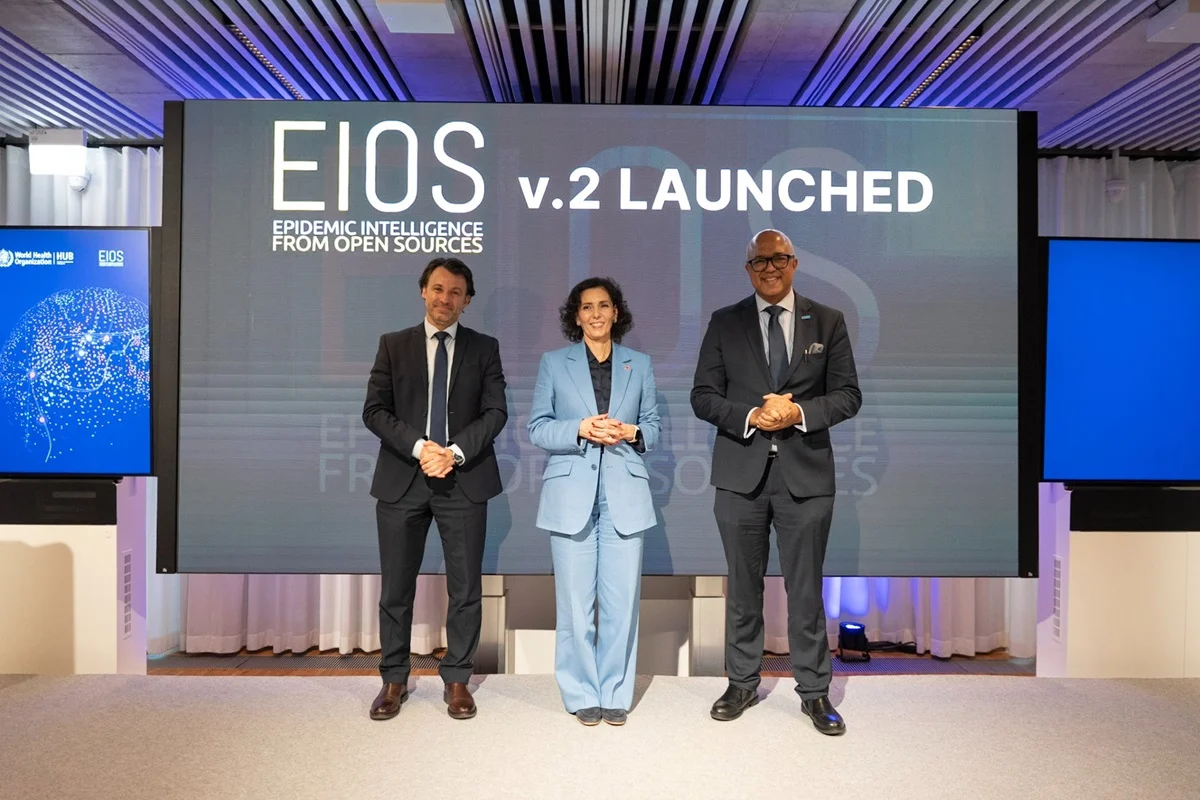
Today, the World Health Organization (WHO), in collaboration with key partners and supporters, launched version 2.0 of the Epidemic Intelligence from Open Sources (EIOS) system, used globally for the early detection of public health threats. Since its development in 2017, the initiative has grown steadily and is now being used by more than 110 Member States and around 30 organizations and networks around the world.
The update incorporates new data sources and improved functionalities, including the use of artificial intelligence (AI).
Hosted at the WHO Hub for Pandemic and Epidemic Intelligence in Berlin, EIOS is the world’s leading initiative for open-source intelligence for public health decision-making. It helps public health teams detect and respond to potential threats daily by analyzing large volumes of publicly available information in near real time.
“Today, we are not just celebrating the launch of a new version of a system, we are entering a new phase in how the world collaborates, innovates and responds to health threats,” said Dr Chikwe Ihekweazu, Executive Director of the WHO Health Emergencies Programme. “EIOS system version 2.0 is our bridge to the future: more open, more agile and more inclusive.”
Recent health emergencies, such as the COVID‑19 pandemic, and the mpox and avian influenza outbreaks, have demonstrated how critical early detection is to prevent outbreaks from escalating into global crises. With version 2.0, public health experts around the globe are now better equipped to quickly identify new health threats and monitor ongoing events, whether they are linked to conflict, climate change, or new and re-emerging pathogens.
Advanced features
Version 2.0 is the most significant upgrade to the custom-built technology and includes several new features:
- Built for growth: The system has been rebuilt to process more sources, accommodate more users and allow new features to be added more quickly.
- AI integration: Implementation of latest AI-powered tools enhancing automated analysis and signal detection.
- Variety of sources: The tool can now process additional sources, such as radio channels, which are automatically transcribed and translated.
- Simpler and multilingual interface: The new interface can be translated in multiple languages, making it more accessible for non-English speakers, and a new dashboard view helps users find and share the most relevant reports more quickly.
- Better collaboration: Users across countries and organizations can now track and monitor events jointly more easily.
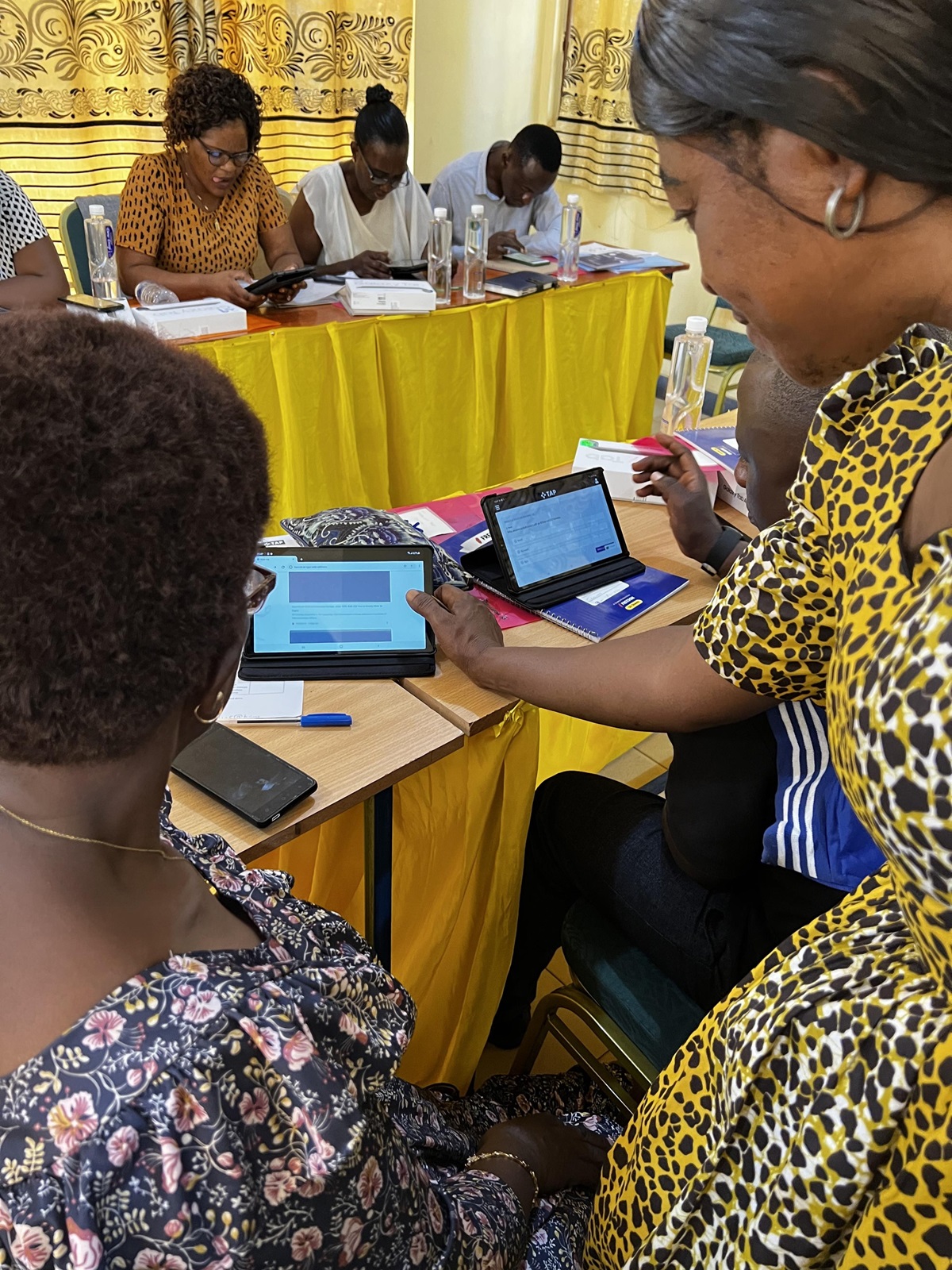
WHO offers the EIOS system as a public good, free of charge to its Member States and eligible organizations and supports them with training and communities of practice. Ministries of Health and public health agencies use the EIOS system to complement information they receive through formal channels, such as laboratories and hospitals. The EIOS system enables them to identify relevant content from websites, social media and other public sources to identify important health events, which authorities can then verify and assess.
The new version was officially launched at the WHO Hub for Pandemic and Epidemic Intelligence in Berlin, alongside long-standing partners including the German Government and the European Commission, and its key collaborating services, namely the Joint Research Centre (JRC) and the Health Emergency Preparedness and Response Authority (HERA), innovation and development collaborators and members of the initiative’s global Community of Practice, among many others.
“Better data – better analytics – better decisions, we are excited to launch EIOS 2.0 at the WHO Hub Berlin. This will mark a milestone to accelerate the detection, analysis and response to health threats,” said Nina Warken, Germany’s Federal Minister of Health. “Since reliable data and transparent political decision processes are key to build public trust in emergency situations, we are pleased to strengthen the EIOS Initiative and the capacities of the WHO Hub in Berlin.”
“In today’s health security landscape, collaboration is key for effective preparedness and response. Detecting public health threats early is essential to prevent new and emerging diseases from becoming endemic, or escalating into a pandemic,” said Hadja Lahbib, European Commissioner for Preparedness, Crisis Management and Equality. “The EU is proud to work closely with WHO to strengthen its public health intelligence system, improve resilience and enhance readiness. Together, we are building a safer, more connected and better prepared global health community.”
To support Member States and organizations during the roll-out of version 2.0, updated guides, multilingual webinars and help clinics have been made available, along with an online training course developed in collaboration with the WHO Academy.