youssef_itani
The deal, which comes as Brussels seeks new markets to offset US tariffs and reduce reliance on China for critical minerals, will open free trade with four South American countries.
European Union ambassadors have given a provisional nod to the bloc’s largest-ever agreement in terms of erased tariffs, opening the way to free trade with the Mercosur group of South American countries.
The provisional agreement by ambassadors from member states to the EU on Friday comes 25 years after negotiations with Mercosur – Argentina, Brazil, Paraguay and Uruguay – started.
The European Commission, which concluded negotiations on the agreement a year ago, argues it is a vital part of a push to unlock new markets to offset business lost to US tariffs, and to reduce reliance on China by securing access to critical minerals.
Major member states, including Germany and Spain, agree.
However, opponents led by France, the EU’s largest agricultural producer, have fought the agreement, warning it will jack up imports of cheap food products, including beef, poultry and sugar, undercutting domestic farmers.
Farmers have protested across the EU as the vote has neared. French and Belgian highways were blocked on Friday, while farmers marched in Poland.
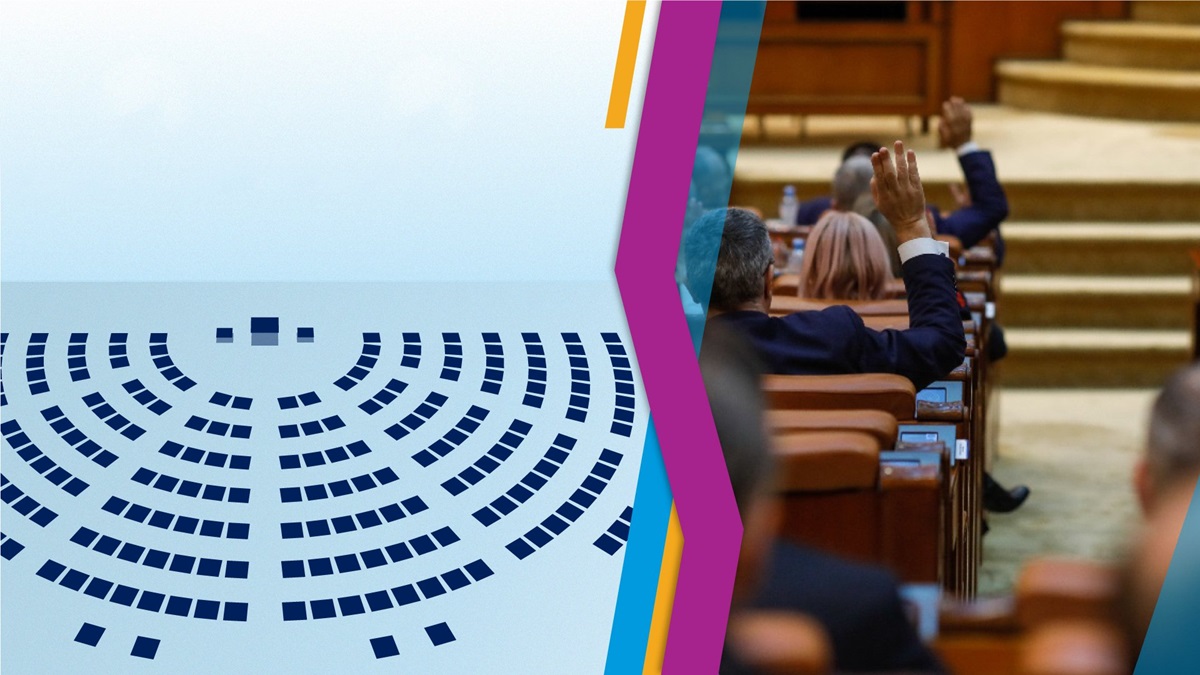
Ambassadors from the EU’s 27 member states indicated their governments’ positions on Friday, with at least 15 countries representing 65% of the bloc’s total population voting in favour, as required for approval, diplomats told journalists.
Member states were given until 5pm Brussels time (16:00 GMT) to provide written confirmation of their votes.
This will clear the way for Commission President Ursula von der Leyen to sign the agreement with Mercosur partners, possibly as early as next week. The European Parliament will also need to approve the accord before it can enter into force.
The EU and Mercosur will hope to expand mutual goods trade that was worth 111 billion euros ($129bn) in 2024.
The free trade agreement would be the EU’s biggest in terms of tariff reduction, removing 4 billion euros ($4.66bn) of duties on its exports such as car parts, dairy products and wines.
EU exports are dominated by machinery, chemicals and transport equipment, and Mercosur’s are focused on agricultural products, minerals, pulp and paper.
To win over deal sceptics, the European Commission has put in place safeguards that can suspend imports of sensitive farm produce. It has strengthened import controls, notably regarding pesticide residues; established a crisis fund; accelerated support for farmers; and pledged to cut import duties on fertilisers.
The concessions were enough to persuade Italy to shift its position, but France and Poland remained opposed, diplomats said.
French Agriculture Minister Annie Genevard has pledged to fight for a rejection by the EU parliament, where the vote – likely to come in the next few months – could be tight.
Germany swiftly welcomed the vote, saying that the agreement “sends an important signal”.
“While others are closing themselves off and pursuing increasingly aggressive trade policies, we are focusing on new partnerships,” said Finance Minister Lars Klingbeil in a statement.
In France, opposition parties on the far-left and far-right lodged no-confidence motions against President Emmanuel Macron’s government, asserting that it had done too little too late to protect the country’s farmers.
European environmental groups also oppose the accord, with Friends of the Earth calling it a “climate-wrecking” deal.