youssef_itani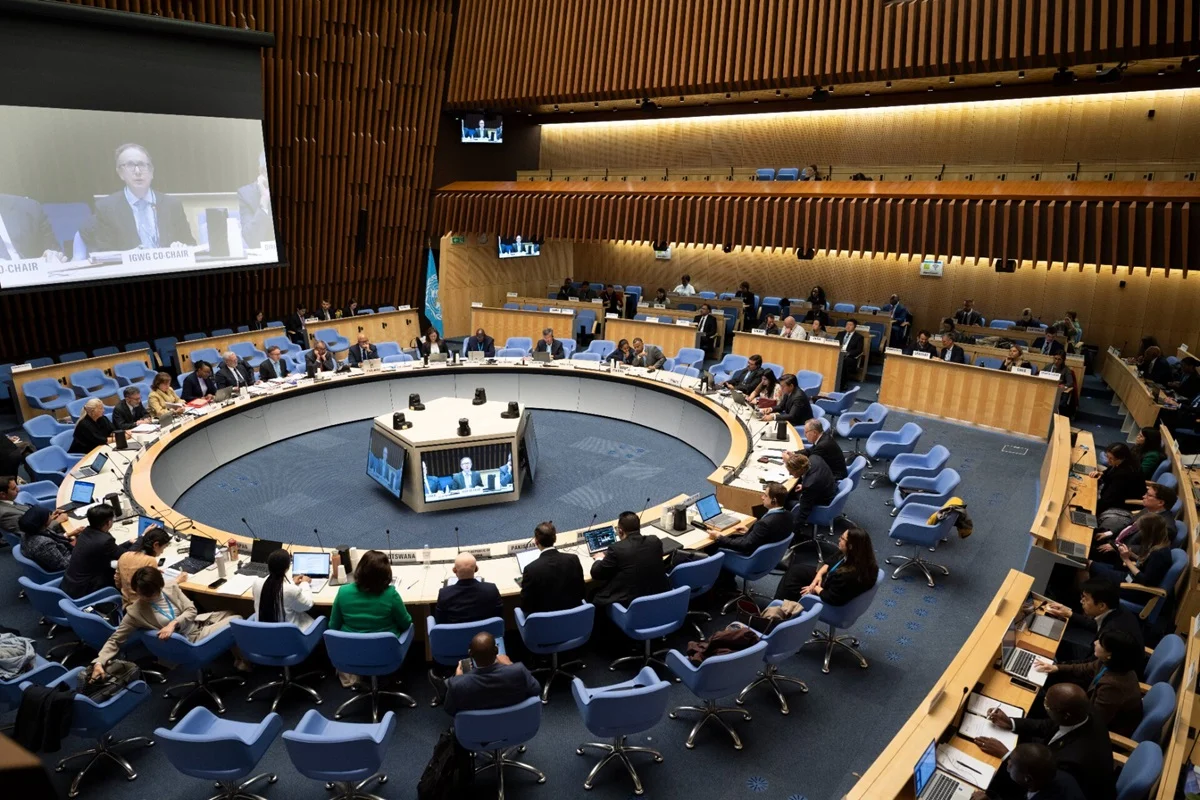
Member States of the World Health Organization (WHO) concluded a weeklong round of negotiations on draft annex for Pathogen Access and Benefit Sharing (PABS) – a key component of the WHO Pandemic Agreement.
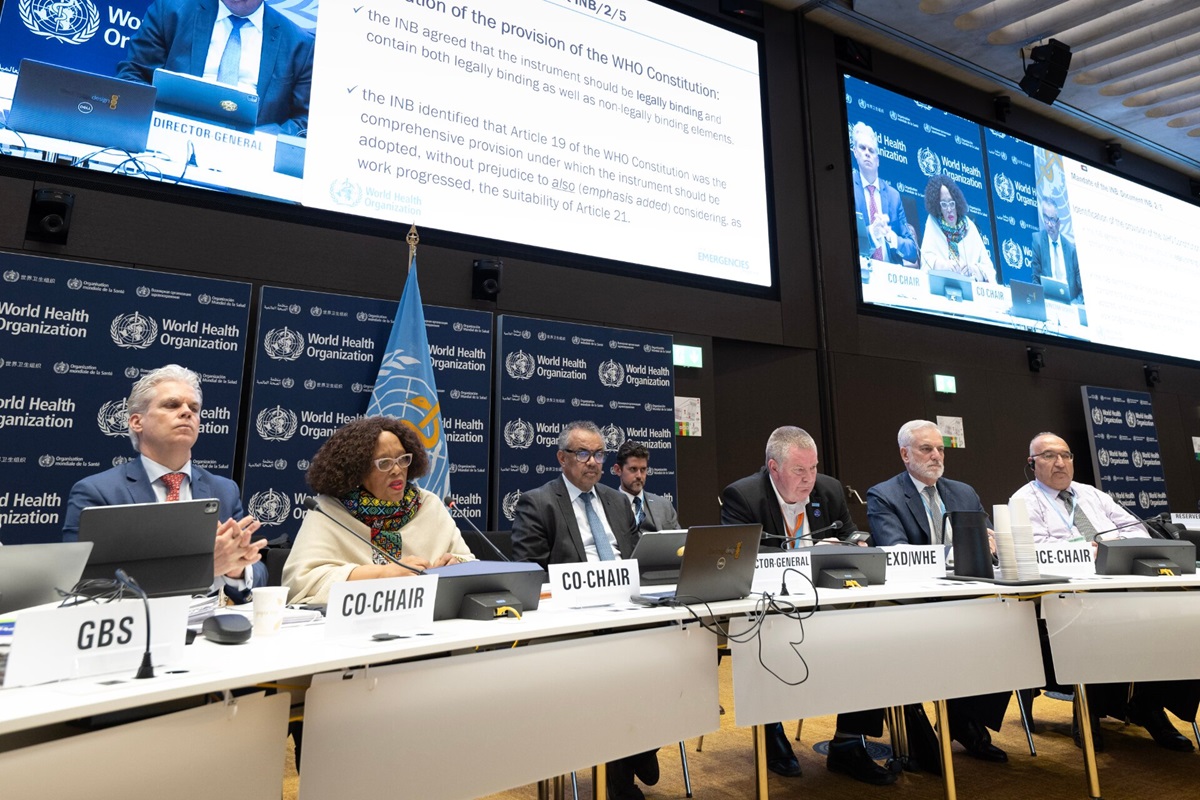
The fifth meeting of the Intergovernmental Working Group on the WHO Pandemic Agreement (IGWG) – set up by the World Health Assembly (WHA) last year to negotiate the PABS annex – wrapped up over the weekend after productive discussions from 9–14 February 2026.
To ensure the world can respond swiftly and effectively to future pandemics, countries must be able to rapidly detect pathogens with pandemic potential and share their genetic sequence information and materials. This timely action enables scientists to accelerate the development of essential tools such as diagnostic tests, treatments, and vaccines.
The PABS system is designed to promote equitable access based on public health need by facilitating the rapid and timely sharing of pathogen materials and genetic sequence data, and on an equal footing, the rapid, timely, fair and equitable sharing of benefits arising from these.
“Countries this week have again shown their steadfast commitment to getting the Pathogen Access and Benefit Sharing annex done,” said IGWG Bureau co‑chair Ambassador Tovar da Silva Nunes, of Brazil. “We now have a clear vision for streamlining the text, while ensuring that the more contentious elements receive the necessary consultation.”
Member States will resume negotiations again next month as they advance towards the May deadline, when the outcome of their work will be presented to the WHA.
“As we conclude the fifth meeting of the Intergovernmental Working Group, I want to thank delegations for their serious and constructive engagement. It is clear that important differences remain, but there is a shared recognition of what is at stake,” said IGWG Bureau co-chair Mr Matthew Harpur, of the United Kingdom. “With time running short, the coming weeks will be critical in bridging the remaining gaps and delivering a Pathogen Access and Benefit Sharing annex that is fair, effective, and fit for purpose.”
The WHO Pandemic Agreement was adopted by Member States last year to correct global weaknesses exposed by the COVID-19 pandemic and strengthen international coordination and collaboration. A legally binding international instrument, it is designed to make the world safer and more equitable in the face of future pandemics.
“Adopting the Pandemic Agreement last year was a huge testament to global cooperation, and we need to build on that momentum. Strong multilateralism remains essential as countries have to face future pandemics together, collectively,” said WHO Director‑General Dr Tedros Adhanom Ghebreyesus. “Recognizing the steady progress being made, I am confident that they will reach an agreement on the Pathogen Access and Benefit Sharing annex in time for the World Health Assembly in May this year.”
Alongside negotiations on the annex text and dialogues aimed at building consensus, Member States also engaged with relevant stakeholders, including representatives from the private sector, academia, laboratories and sequence information databases.