youssef_itani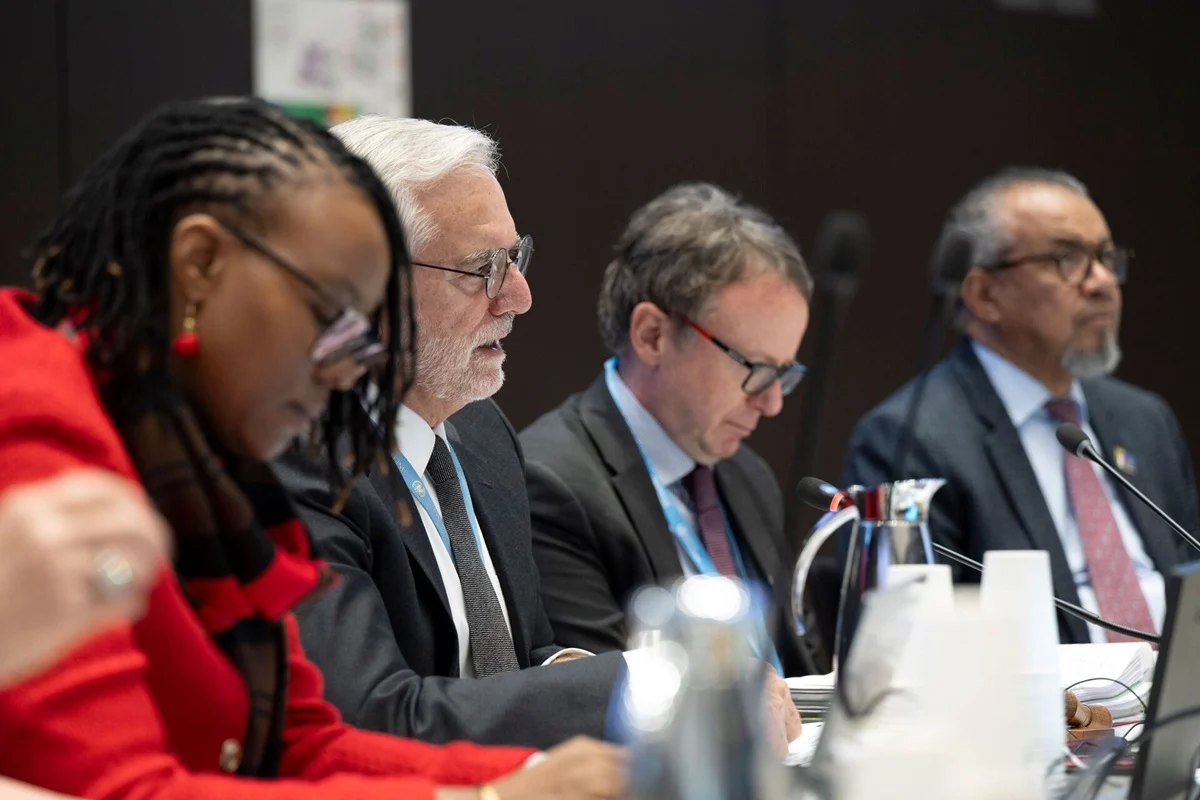
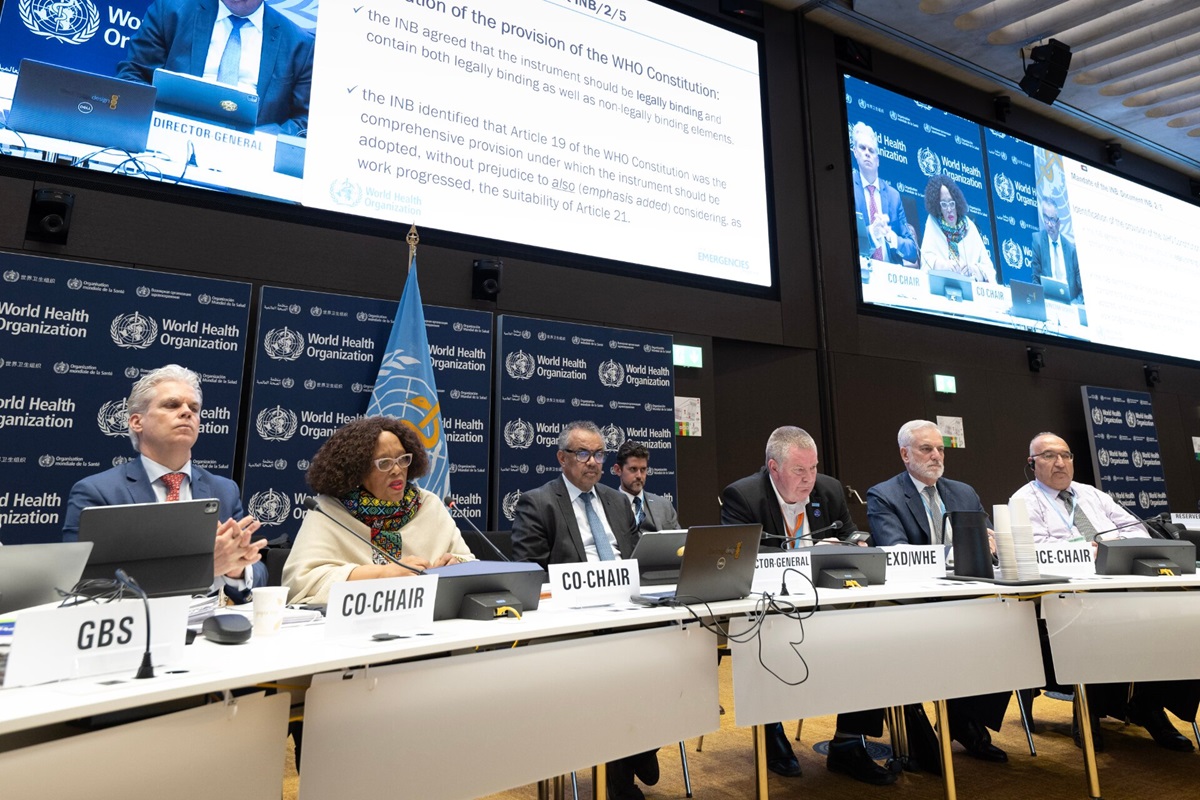
Member States of the World Health Organization (WHO) have progressed work on the Pathogen Access and Benefit Sharing (PABS) annex, a key part of the WHO Pandemic Agreement, and today agreed additional time was needed to finalize the framework for ensuring a better, more equitable, response to future pandemics.
Countries today ended the resumed session of the sixth meeting of the Intergovernmental Working Group (IGWG) on the WHO Pandemic Agreement in Geneva, focused on the PABS system. The outcome of this work will be presented to the Seventy-ninth World Health Assembly (WHA) later this month. Given the need for further negotiations, the Assembly will be asked to consider continuing IGWG’s work as mandated in Resolution WHA78.1 and submit the outcome to the next Assembly in May 2027, or earlier by a special session of WHA in 2026.
“Real progress was made on the PABS annex and I am confident through continued negotiations differences will be overcome,” said Dr Tedros Adhanom Ghebreyesus, WHO Director-General. “Member States should continue approaching the outstanding issues with a sense of urgency because the next pandemic is a matter of when, not if. The PABS annex is the last piece of the puzzle not only for the Pandemic Agreement but all initiatives that WHO and Member States have implemented as a result of lessons learned from the COVID-19 pandemic.”
The PABS system is intended to ensure, on equal footing, the rapid sharing of pathogens with pandemic potential and the fair and equitable sharing of benefits arising from their use, such as vaccines, diagnostics and therapeutics. Finalizing the PABS Annex is necessary so countries can proceed with signature and ratification of the Pandemic Agreement.
“Finalizing a document of such technical and legal complexity requires precision and dedication, both of which the Member States have demonstrated in full,” said IGWG Bureau Co-Chair Ambassador Tovar da Silva Nunes of Brazil. “We are not there yet, but with an extension of our negotiations, we will get there.”
IGWG Co-Chair Mr Matthew Harpur said: “WHO Member States have demonstrated strong and continuing commitment to negotiations on a Pathogen Access and Benefit Sharing system annex. The IGWG Bureau is confident we are moving in the right direction to finalize the PABS annex, and in doing so provide the WHO Pandemic Agreement with the framework needed to ensure countries are better, and more equitably, prepared and protected for the next pandemic.”
The IGWG will hold its seventh meeting from 6 to 17 July 2026.
In May 2025, the World Health Assembly adopted the WHO Pandemic Agreement to strengthen how countries prevent, prepare for, and respond to pandemics. It also established an open-ended Intergovernmental Working Group (IGWG) to carry out key tasks, including drafting and negotiating the PABS system.