youssef_itani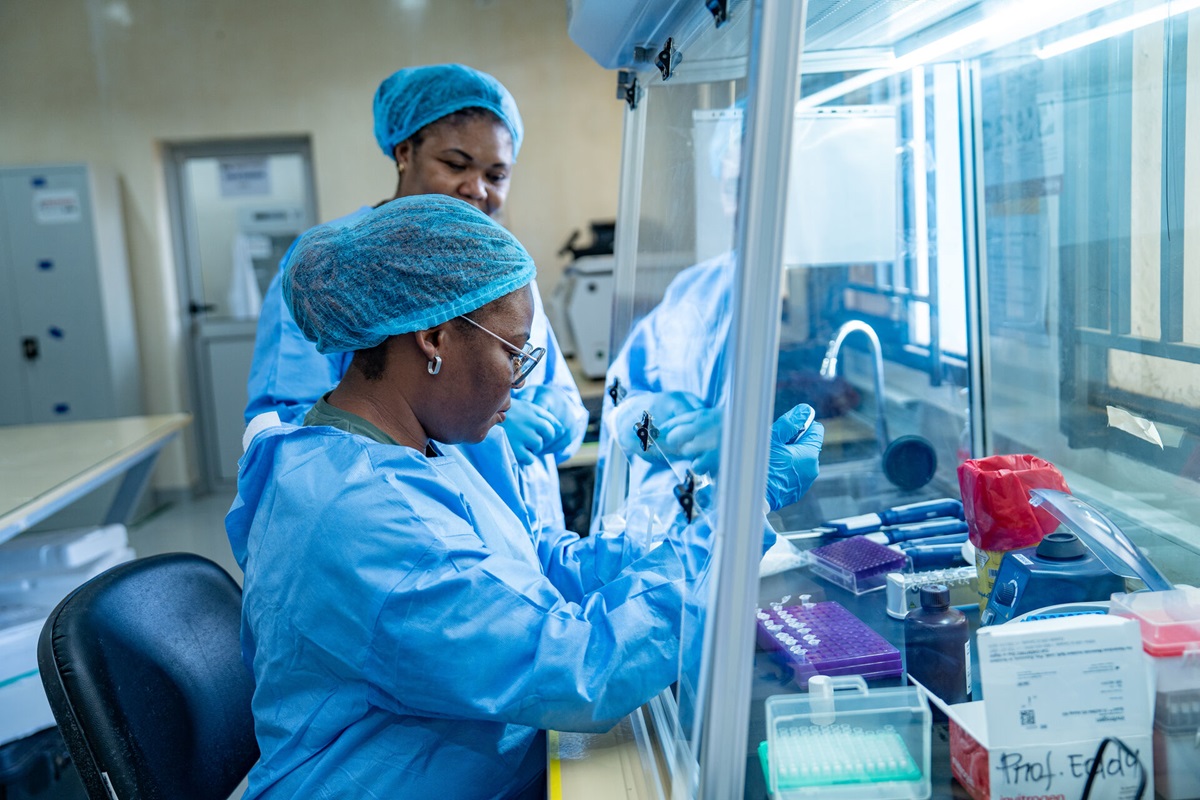
Today, the World Health Organization (WHO) has added the first molecular diagnostic test for Bundibugyo virus (BDBV) to its Emergency Use Listing (EUL). The test detects the virus by identifying its genetic material in blood samples, helping confirm infection rapidly and accurately.
WHO’s EUL procedure assesses the quality, safety and performance of essential health products based on the available evidence, while ensuring they meet minimum international standards and address the needs of low- and middle-income countries.
Through this mechanism, WHO aims to accelerate access to reliable diagnostic tools for early case detection, timely clinical care, disease surveillance and effective outbreak response. The EUL also supports United Nations procurement agencies and governments in making informed decisions about the procurement and use of these products in public health emergency settings.
“Public health emergencies require not only speed, but also confidence that the health products being used meet standards for quality, safety and performance,” said Dr Yukiko Nakatani, WHO Assistant Director-General for Health Systems, Access and Data. “During a fast-moving outbreak, timely access to quality-assured diagnostic tests can make a critical difference in containing transmission. Through this Emergency Use Listing, WHO is helping countries access trusted diagnostic tools more rapidly so that they can respond more effectively.”
On 17 May 2026, WHO Director-General Dr Tedros Adhanom Ghebreyesus declared a public health emergency of international concern over the outbreak of Ebola disease caused by Bundibugyo virus in the Democratic Republic of the Congo, with cases in Uganda. Less than two weeks later, WHO launched a call for manufacturers of IVDs for Bundibugyo virus to submit Expressions of Interest for Emergency Use Listing.
The listing comes at a critical time as countries respond to the largest recorded outbreak of Ebola disease caused by BDBV, which continues to expand. As of today, 1406 laboratory-confirmed cases and 438 deaths had been reported in the Democratic Republic of the Congo alone.
With support from WHO and the Africa Centres for Disease Control and Prevention (Africa CDC), laboratory testing capacity has expanded from a limited number of sites – primarily Institut National de Recherche Biomédicale in Kinshasa and Goma, with an estimated combined capacity of approximately 200–400 tests per day – to a broader network of 10 laboratories across affected provinces, with a reported capacity of over 2000 tests per day. Rapid and reliable diagnosis remains essential to identify cases early, guide timely patient care, interruptand help bring outbreaks under control.
WHO continues to work closely with manufacturers, global partners and countries to expand the availability of and access to safe, effective and quality-assured life-saving health products. Additional applications for BDBV IVDs submitted through the EUL procedure are currently under review.
In parallel, WHO and Africa CDC, with partners including PATH, FIND and CHAI, and with support from Unitaid, are establishing a joint validation platform to rapidly evaluate the performance of a selection of diagnostic products, including laboratory-based molecular tests, near-point-of-care molecular tests and antigen rapid diagnostic tests. The platform will generate critically needed clinical evidence on the performance of these products in outbreak settings.
Bundibugyo virus disease is a severe, often life-threatening disease caused by BDBV, one of three Ebola virus species known to cause large outbreaks in humans. The virus can spread from animals to humans and then from person to person through contact with a person sick or deceased and their infected bodily fluids or surfaces or items contaminated by these fluids.
Information on active EUL applications for IVDs for BDBV nucleic acid detection can be found on these WHO webpages.
About WHO
Dedicated to the well-being of all people and guided by science, the World Health Organization leads and champions global efforts to give everyone, everywhere an equal chance at a safe and healthy life.
We are the UN agency for health that connects nations, partners and people on the front lines in 150+ locations – leading the world’s response to health emergencies, preventing disease, addressing the root causes of health issues and expanding access to medicines and health care. Our mission is to support countries to promote, provide and protect health.
“Together for health. Stand with science”, the theme of World Health Day 2026 marks a year-long campaign to highlight science as the foundation for protecting health and well-being worldwide.