youssef_itani
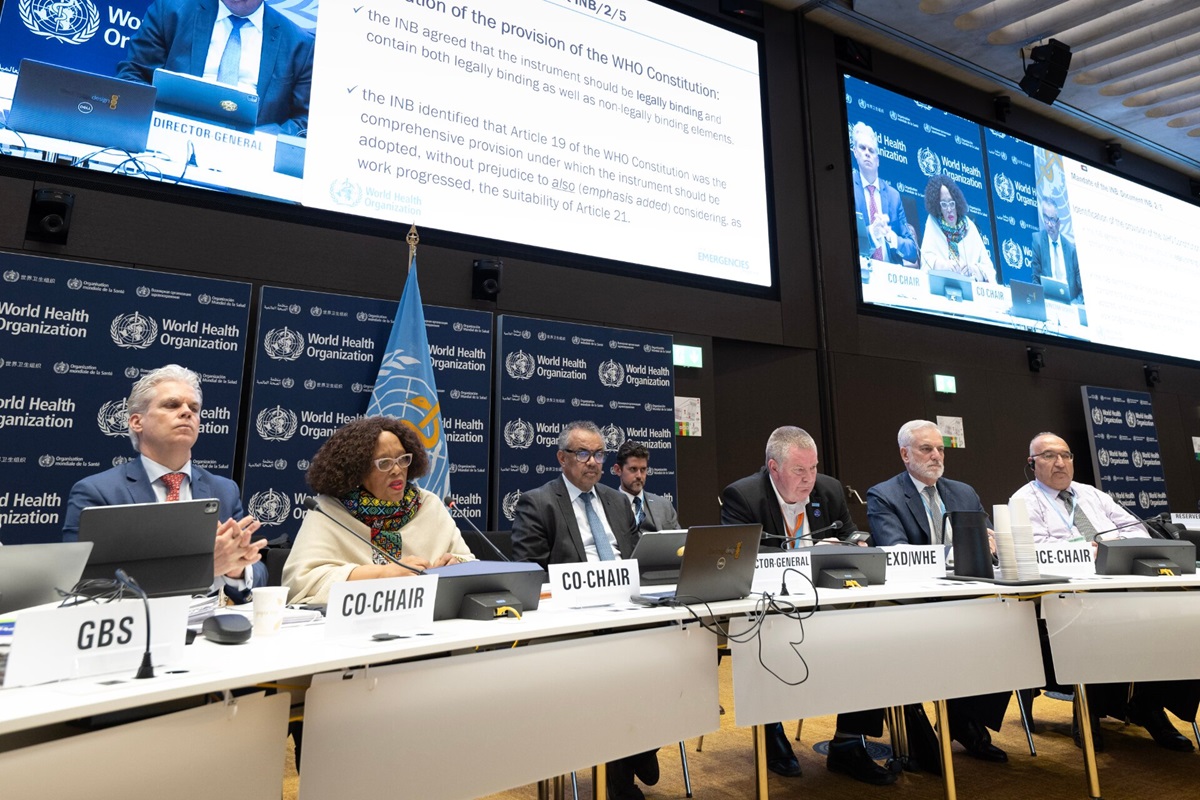
The World Health Organization (WHO) today announced its recommendations for the viral composition of influenza vaccines for use in the 2026 influenza season in the southern hemisphere. The announcement was made at an Information Meeting after a 4-day Consultation on the Composition of Influenza Virus Vaccines.
Given the constantly evolving nature of influenza viruses, regular updates to vaccine composition are essential to ensure their effectiveness and to protect public health worldwide.
WHO convenes these consultations twice annually – once for the southern hemisphere and once for the northern hemisphere, bringing together an advisory group of experts from WHO Collaborating Centres and Essential Regulatory Laboratories. The group reviews surveillance and other data provided by the WHO Global Influenza Surveillance and Response System (GISRS) and collaborators to inform its recommendations.
WHO’s recommendations serve as the basis for national and regional regulatory authorities, pharmaceutical manufacturers, and other stakeholders to develop, produce, and license influenza vaccines for the upcoming season.
WHO recommends that trivalent vaccines for use in the 2026 southern hemisphere influenza season contain the following:
Egg-based vaccines
- an A/Missouri/11/2025 (H1N1)pdm09-like virus;
- an A/Singapore/GP20238/2024 (H3N2)-like virus; and
- a B/Austria/1359417/2021 (B/Victoria lineage)-like virus.
Cell culture-, recombinant protein- or nucleic acid-based vaccines
- an A/Missouri/11/2025 (H1N1)pdm09-like virus;
- an A/Sydney/1359/2024 (H3N2)-like virus; and
- a B/Austria/1359417/2021 (B/Victoria lineage)-like virus
Consistent with the four previous WHO recommendations since September 2023, it remains the opinion of the WHO influenza vaccine composition advisory committee that the inclusion of a B/Yamagata lineage antigen is no longer warranted.
Quadrivalent vaccines, where the transition to trivalent vaccines is not yet complete, contain a 4th component – a B/Yamagata lineage virus (B/Phuket/3073/2013-like virus).
There will no longer be updated recommendations for the B/Yamagata lineage component.
WHO has also updated recommendations for the development of new candidate vaccine viruses for zoonotic influenza, with a view on pandemic preparedness.