youssef_itani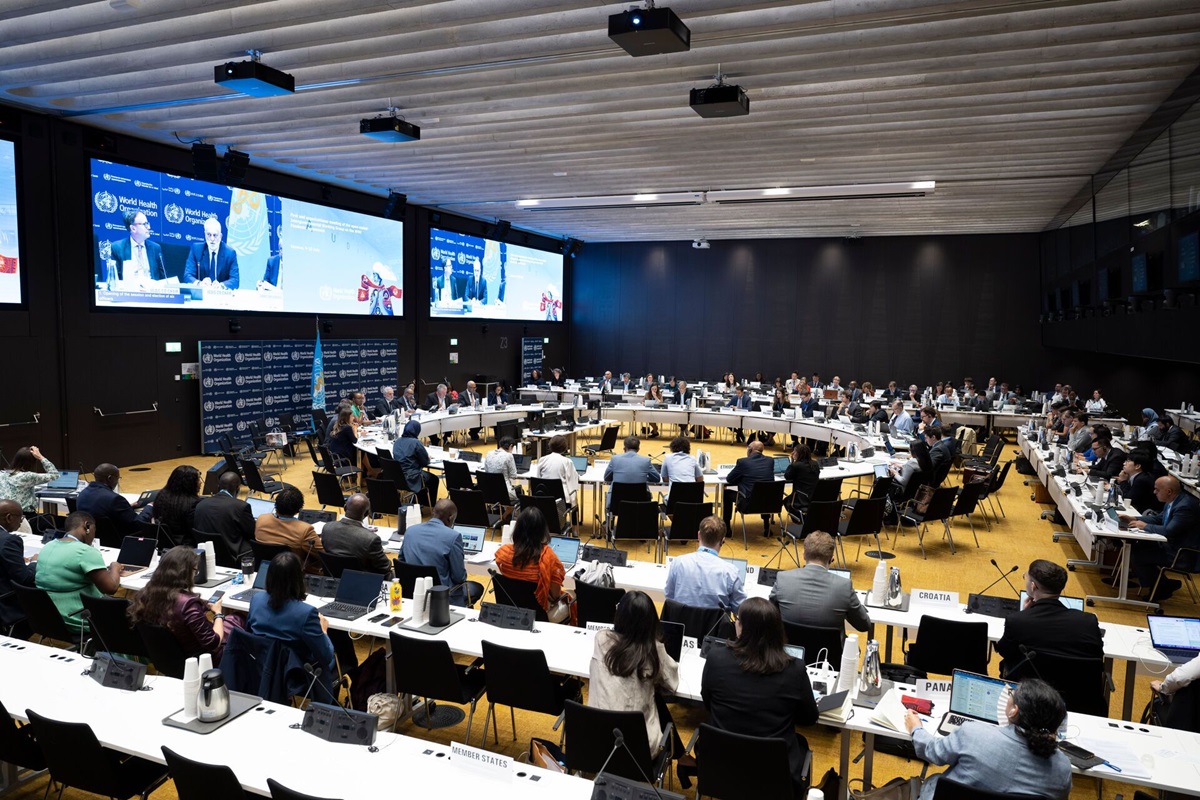
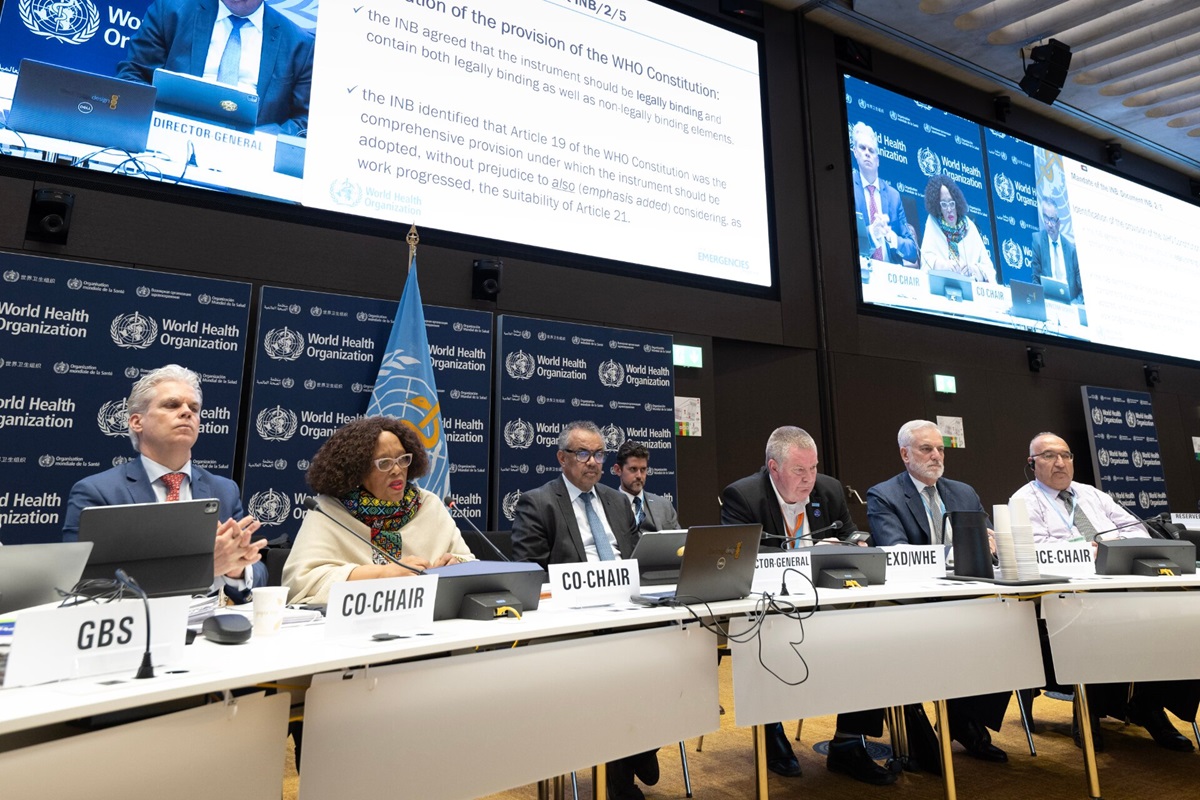
WHO Member States held their second intergovernmental meeting from 15-19 September, to further develop the Pathogens Access and Benefit Sharing (PABS) system, a critical annex to the WHO Pandemic Agreement.
The PABS system aims to enable safe, transparent and accountable access and benefit-sharing for pathogen materials and sequence information, as well as equitable, rapid and timely sharing of vaccines, therapeutics, diagnostics and other resulting benefits.
As part of its adoption of the WHO Pandemic Agreement in May 2025, the World Health Assembly established the open-ended Intergovernmental Working Group (IGWG) to undertake several tasks, including, as a priority, to draft and negotiate the PABS annex to the Agreement.
The Assembly decided that the outcome of the IGWG’s work would be submitted to the Seventy-ninth World Health Assembly in 2026 for consideration.
“Countries have taken the next step in building the platform needed for making the world better prepared and safer in the event of future pandemics,” said Ambassador Tovar da Silva Nunes of Brazil, co-Chairperson of the IGWG Bureau guiding the negotiations. “There is a strong common understanding on critical issues needed to develop a mechanism for Pathogen Access and Benefit Sharing. Negotiators from around the world have made strong progress in shaping this central pillar of the WHO Pandemic Agreement.”
Ambassador da Silva Nunes said the first draft PABS annex was expected to be drafted and negotiated in November and December 2025.
During the IGWG meeting, WHO Director-General Dr Tedros Adhanom Ghebreyesus, congratulated countries for their work to amend the International Health Regulations, which officially entered into force on 19 September 2025, saying this achievement along with the Pandemic Agreement’s historic adoption provided the momentum needed to develop the PABS annex.
“The amendments to the International Health Regulations and the adoption of the Pandemic Agreement by the World Health Assembly this year were truly generational accomplishments,” said Dr Tedros. “Countries now have the opportunity and responsibility to bring the Pandemic Agreement to fruition by finalizing the Pathogen Access and Benefit-Sharing system, as mandated by the World Health Assembly.”
In addition to negotiating the PABS annex, the IGWG was established to conduct preparatory work for the Conference of the Parties to the WHO Pandemic Agreement.