youssef_itani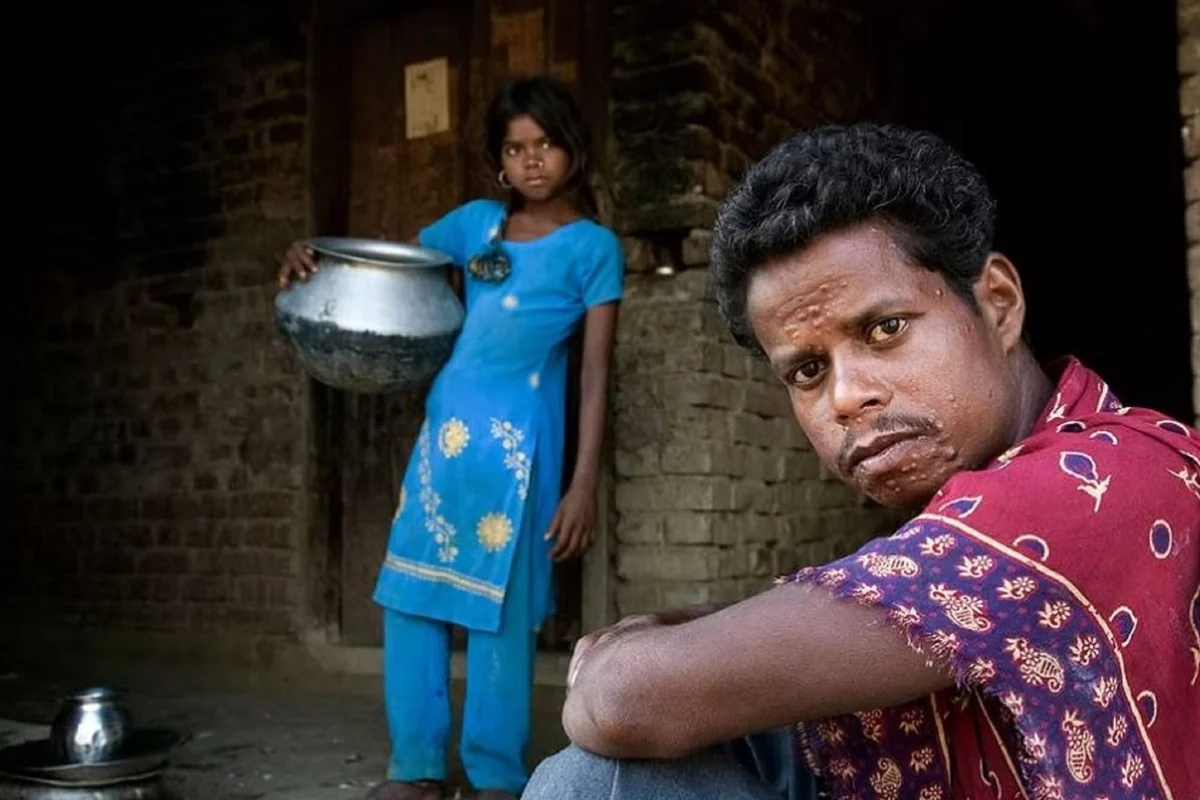
Marking World Neglected Tropical Diseases (NTDs) Day, the World Health Organization (WHO) warns that millions of people living with NTDs continue to face profound and often unseen suffering due to discrimination, social stigma and untreated mental health conditions. Under the rallying theme “Unite. Act. Eliminate.”, WHO and partners urge governments to integrate mental health care into NTD elimination efforts, ensuring that no one is left behind in pain or isolation.
More than 1 billion people worldwide are affected by NTDs and a similar number experience mental health conditions. People affected by NTDs that lead to physical impairments or disfigurement – such as cutaneous leishmaniasis, leprosy, lymphatic filariasis, mycetoma and noma – are particularly vulnerable to stigma and discrimination.
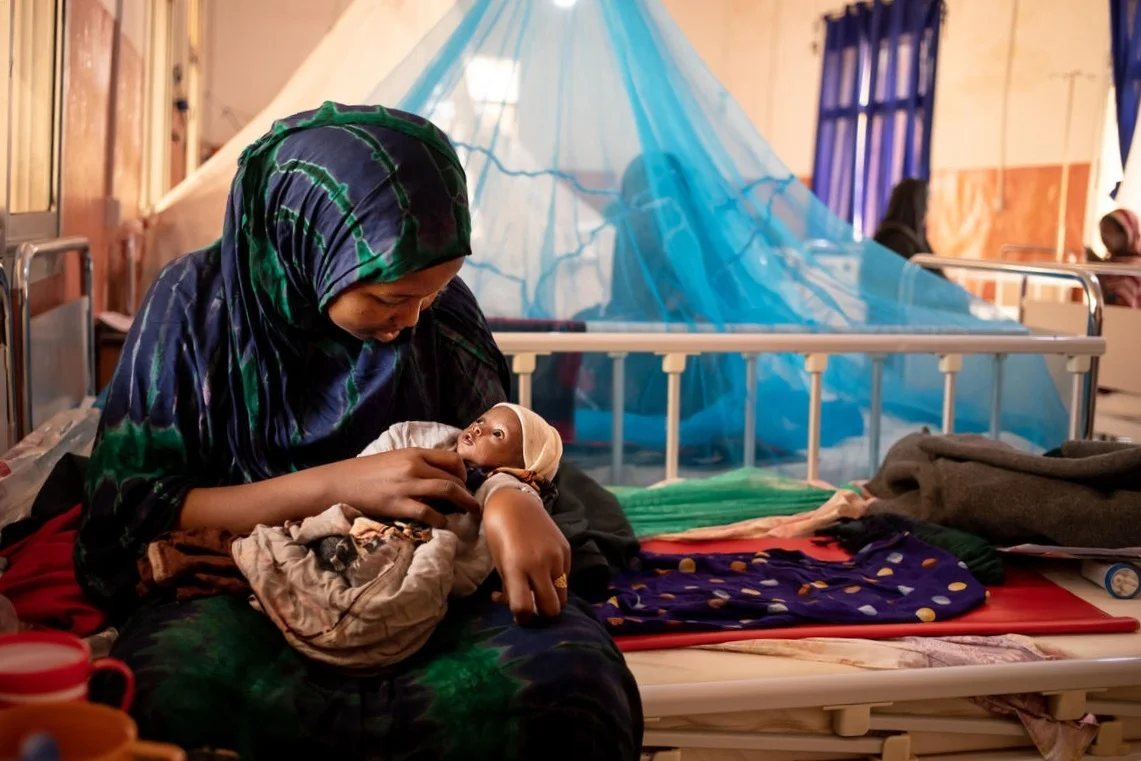
Misconceptions related to contagion and infection further deepen stigma, discrimination and social exclusion. People living with chronic NTDs experience higher rates of depression, anxiety and suicidal behaviours compared to both the general population, and those living with other chronic conditions. Yet many do not receive the care and support they need within their communities.
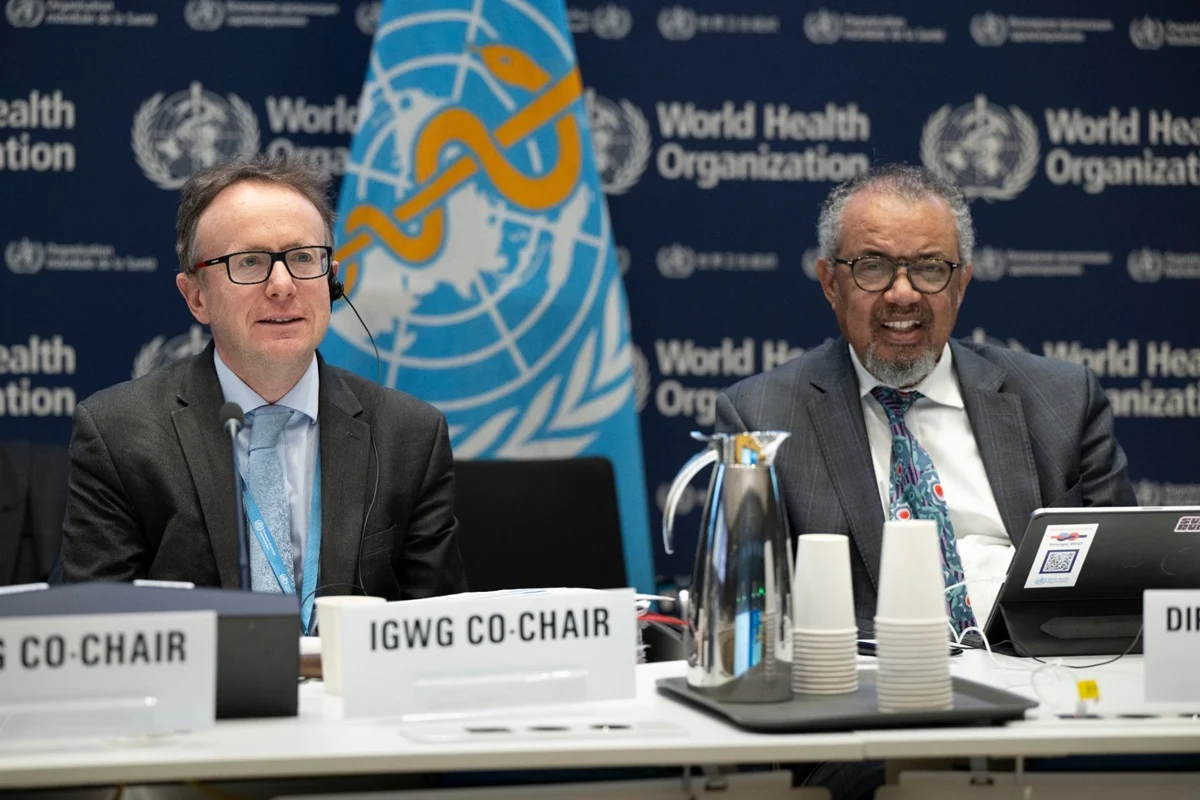
“The fight against neglected tropical diseases is not only a fight against pathogens, it’s a fight against the profound human suffering they cause,” said Dr Tedros Adhanom Ghebreyesus, WHO Director-General. “True elimination means freeing people not only from the disease, but from the shame, isolation, and despair that too often accompany it.”
WHO launches first global guide to address mental health and stigma
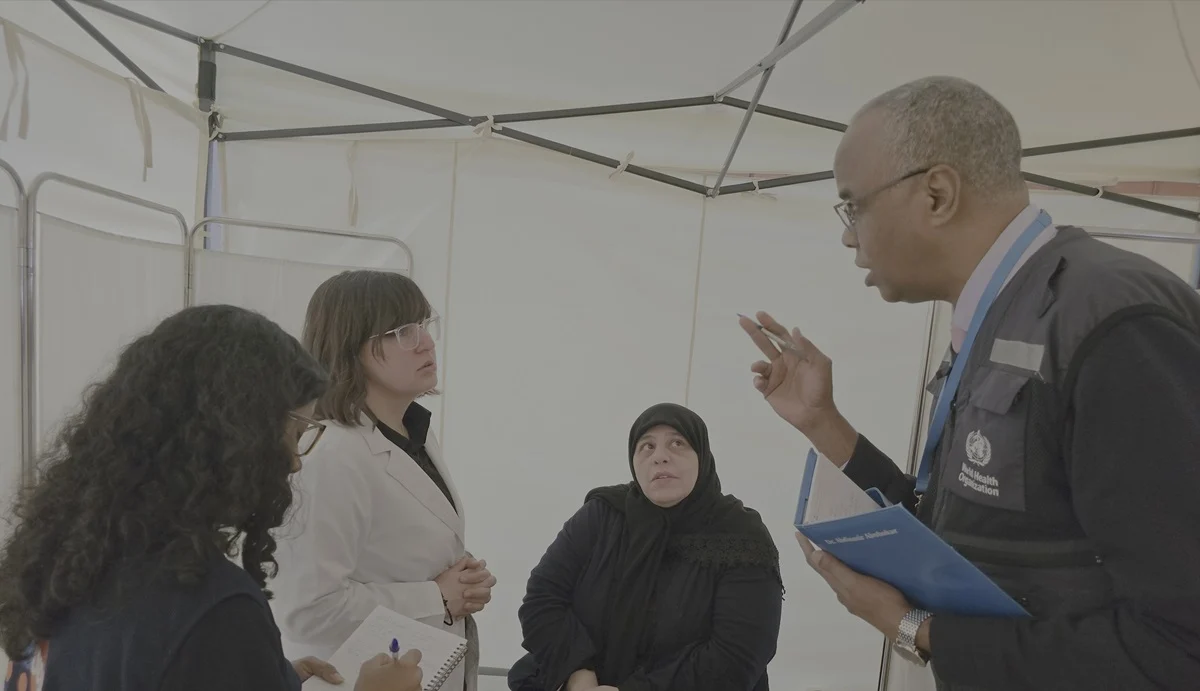
To tackle this urgent gap, WHO recently launched its first WHO global guide on the Essential care package (ECP) to address mental health and stigma for persons with neglected tropical diseases.
The guide provides health service leaders with a summary of evidence-based interventions for:
- promoting good mental health;
- identifying and assessing mental health conditions in people living with NTDs;
- managing and treating mental health conditions; and
- reducing stigma at individual, community and health systems levels.
Historic elimination gains at risk as funding declines
The World NTD Day global campaign, led by WHO and a coalition of partners, underscores that NTDs remain one of the most solvable challenges – and smartest investments – in global health. Progress over the past decade demonstrates the power of unity and collaboration: the number of people requiring NTD interventions has fallen to a historical low of 1.4 billion, accompanied by significant declines in mortality, morbidity and the number of people affected.
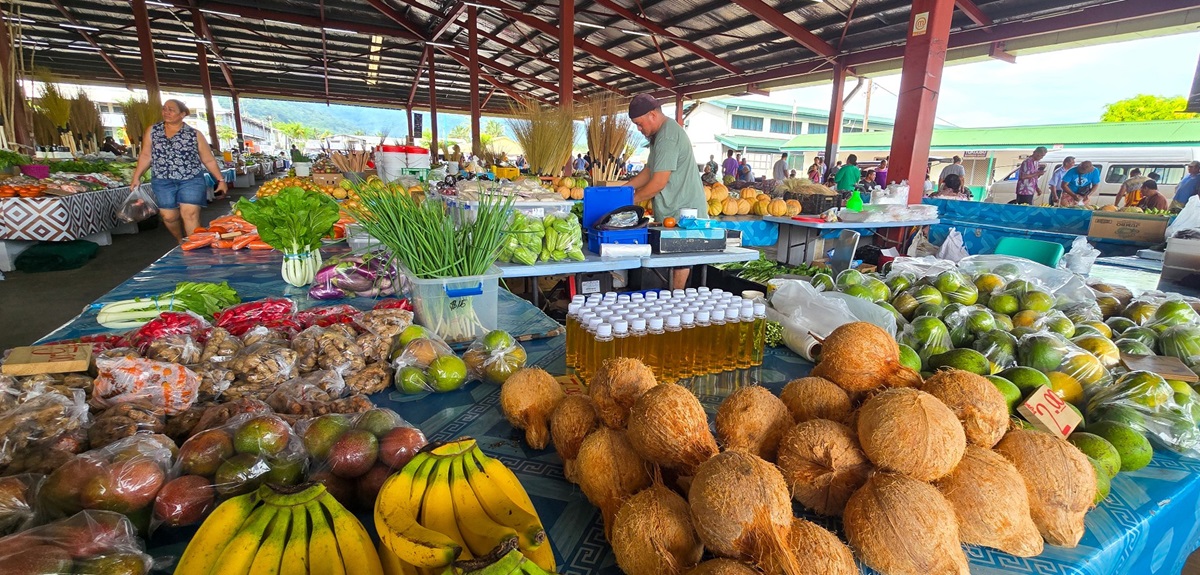
As of today, 58 countries have eliminated at least one NTD, putting the world on a strong path toward achieving WHO’s target of 100 countries by 2030. Nations from Brazil to Jordan and from Niger to Fiji have demonstrated that elimination is both realistic and achievable.
However, the Global Report on Neglected Tropical Diseases 2025, shows that global official development assistance (ODA) for NTDs fell by 41% between 2018 and 2023, threatening to reverse the hard-won gains.
This decline stands in stark contrast to the economic case for investing in NTD efforts; every US$ 1 invested in preventive chemotherapy yields an estimated return of about US$ 25. Without renewed action, NTDs will continue draining more lives and livelihoods, costing affected families and communities an estimated US$ 33 billion annually in lost wages and out-of-pocket expenses.
This World NTD Day is a call to action to safeguard past progress, mobilize new funding and leadership, accelerate innovation, and integrate health services – including mental health – into NTD responses. The campaign invites the global community to explore stories of resilience and country-led successes featured on the World Neglected Tropical Diseases Day 2026 page.