youssef_itani
New analysis from a WHO global expert committee on vaccine safety has found that, based on available evidence, no causal link exists between vaccines and autism spectrum disorders (ASD). The conclusion reaffirms WHO’s position that childhood vaccines do not cause autism.
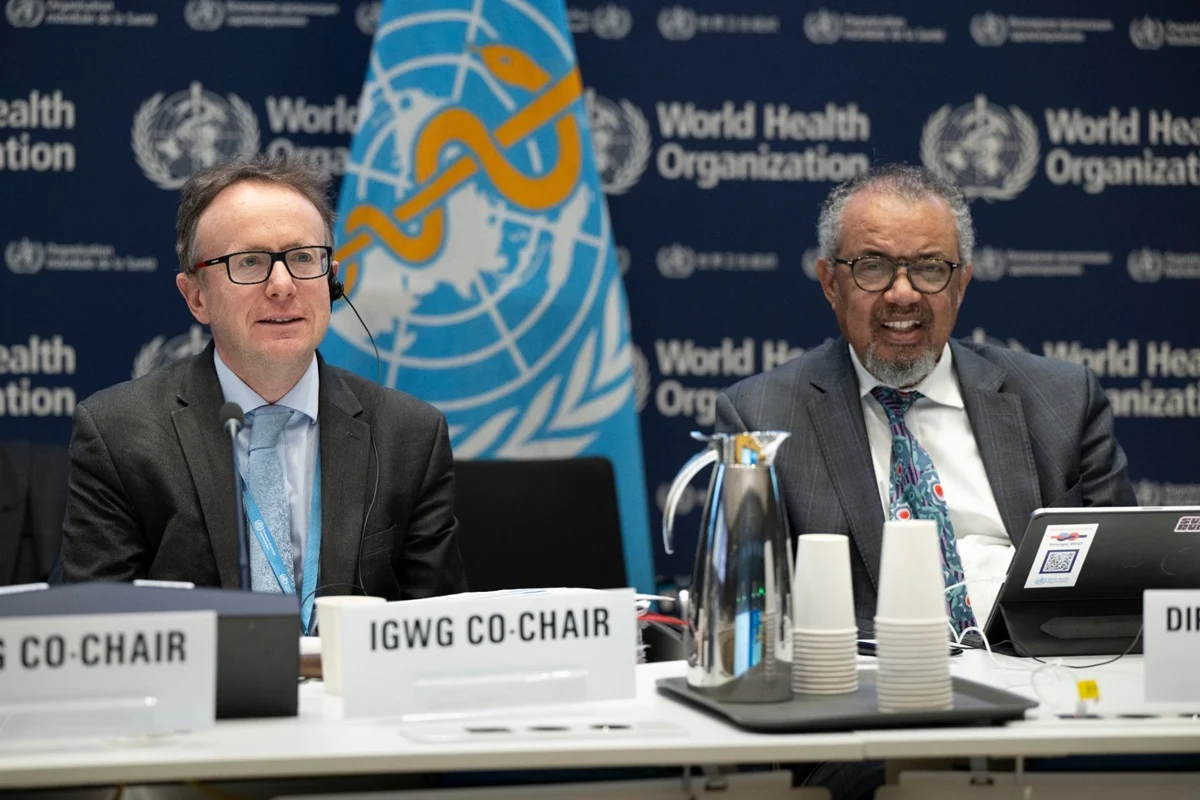
The Global Advisory Committee on Vaccine Safety (GACVS), established in 1999, brings together international experts to provide independent and authoritative scientific advice to WHO on global vaccine safety related priorities.
The latest analysis, discussed by the Committee on 27 November 2025, focused first on the relationship between thiomersal-containing vaccines and ASD, and the association between vaccines in general and ASD. Evidence based on 31 primary research studies, published between January 2010 and August 2025, including data from multiple countries, strongly supports the positive safety profile of vaccines used during childhood and pregnancy, and confirms the absence of a causal link with ASD.
The Committee also assessed the review of potential health risks associated with vaccines with aluminum adjuvants, drawing on studies conducted from 1999 through March 2023. In addition, it reviewed a recent large cohort study analyzing nationwide registry data of children born in Denmark between 1997 and 2018. In summary, the available high-quality evidence shows no association between the trace amounts of aluminum used in some vaccines and ASD, supporting the ongoing use of vaccines with aluminum adjuvants.
Following its review, GACVS reaffirms its previous conclusions from 2002, 2004 and 2012: vaccines, including those with thiomersal and/or aluminum, do not cause autism.
WHO advises all national authorities to rely on the latest science and ensure vaccine policies are grounded in the strongest available evidence. Global childhood immunization efforts represent one of the greatest achievements in improving lives, livelihoods and the prosperity of societies. During the past 50 years, childhood immunization has saved at least 154 million lives.