youssef_itani
The World Health Organization (WHO) today called on countries to make fertility care safer, fairer and more affordable for all in its first-ever global guideline for the prevention, diagnosis and treatment of infertility.
Infertility is estimated to affect 1 in 6 people of reproductive age at some point in their lives. While demand for services is rising worldwide, access to care remains severely limited. In many countries, tests and treatments for infertility are largely funded out-of-pocket – often resulting in catastrophic financial expenditures. In some settings, even a single round of in vitro fertilization (IVF) can cost double the average annual household income.
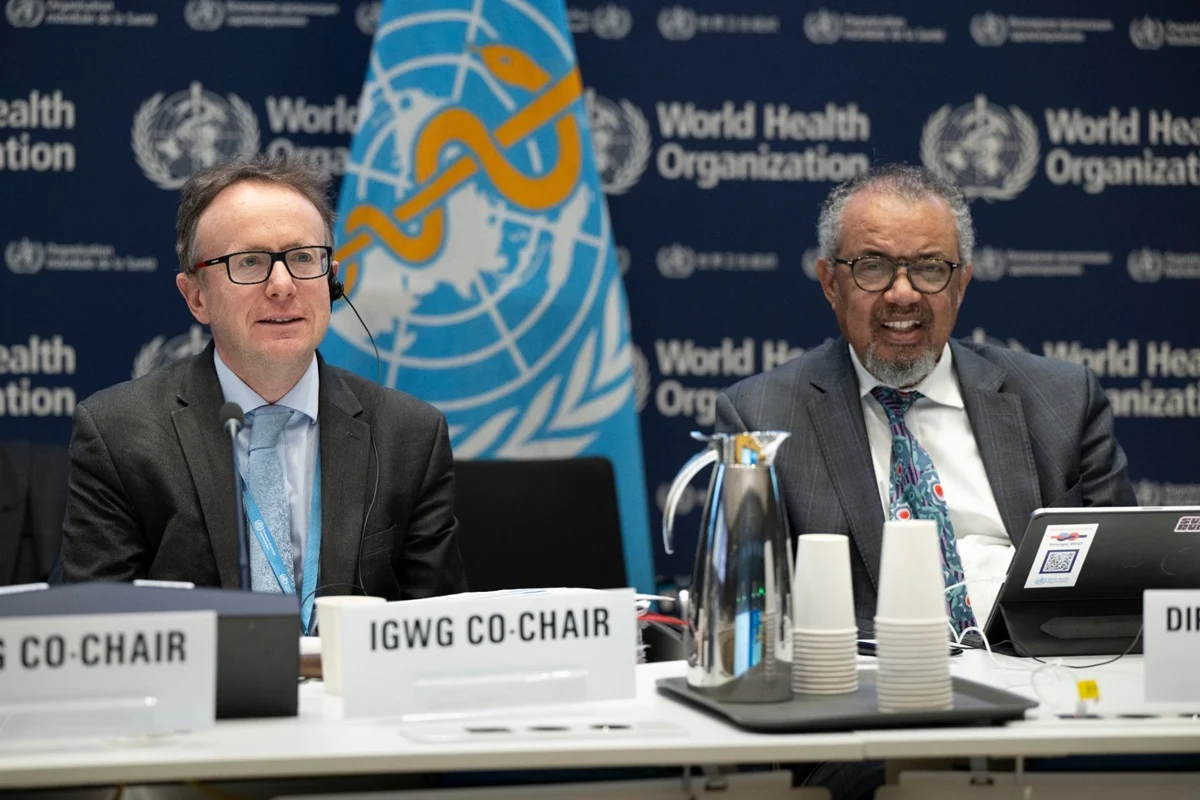
“Infertility is one of the most overlooked public health challenges of our time and a major equity issue globally,” said Dr Tedros Adhanom Ghebreyesus, WHO Director-General. “Millions face this journey alone – priced out of care, pushed toward cheaper but unproven treatments, or forced to choose between their hopes of having children and their financial security. We encourage more countries to adapt this guideline, giving more people the possibility to access affordable, respectful, and science-based care.”
The guideline includes 40 recommendations that seek to strengthen the prevention, diagnosis, and treatment of infertility. It promotes cost-effective options at every stage, while advocating for the integration of fertility care into national health strategies, services and financing.
People-centered, evidence-based care
Infertility, defined by the failure to achieve pregnancy after 12 months or more of regular unprotected sexual intercourse, can cause significant distress, stigma, and financial hardship, affecting people’s mental and psychosocial well-being.
The guideline provides guidance on steps for the effective clinical management of infertility. It also calls for increased investment in prevention, including information on fertility and infertility, factors such as age, in schools, primary health care and reproductive health facilities.
It stresses the need to tackle leading risk factors for infertility, including untreated sexually transmitted infections and tobacco use. Lifestyle interventions – such as healthy diet, physical activity, and tobacco cessation – are recommended for individuals and couples planning or attempting pregnancy. Informing people about fertility and infertility early can assist them in making reproductive plans.
The guideline outlines clinical pathways to diagnose common biological causes of male and female infertility. Considering the findings from clinical tests as well as patient preferences, it provides guidance on how to progressively advance treatment options from simpler management strategies – where clinicians first provide advice on fertile periods and fertility promotion without active treatment – to more complex treatment courses such as intrauterine insemination or IVF.
Recognizing the emotional toll of infertility, which can lead to depression, anxiety and feelings of social isolation, the guideline emphasizes the need to ensure ongoing access to psychosocial support for all those affected.
Fertility in a changing world
WHO is encouraging countries to adapt the recommendations to their local contexts and to monitor progress. Successful implementation will require collaboration across Ministries of Health, health professional societies, civil society, and patient groups.
Implementation should also align with comprehensive, rights-based approaches to sexual and reproductive health – including fertility care – that empower people throughout their lives to make informed, individual decisions about whether and when to have children.
“The prevention and treatment of infertility must be grounded in gender equality and reproductive rights,” said Dr Pascale Allotey, Director of WHO’s Department of Sexual, Reproductive, Maternal, Child and Adolescent Health and Ageing and the United Nations’ Special Programme on Human Reproduction (HRP). “Empowering people to make informed choices about their reproductive lives is a health imperative and a matter of social justice.”
While comprehensive, the guideline acknowledges current gaps in evidence as well as areas for future research and additional recommendations. Upcoming editions of the guideline are expected to cover issues such as fertility preservation, third-party reproduction, and the impact of pre-existing medical conditions.