youssef_itani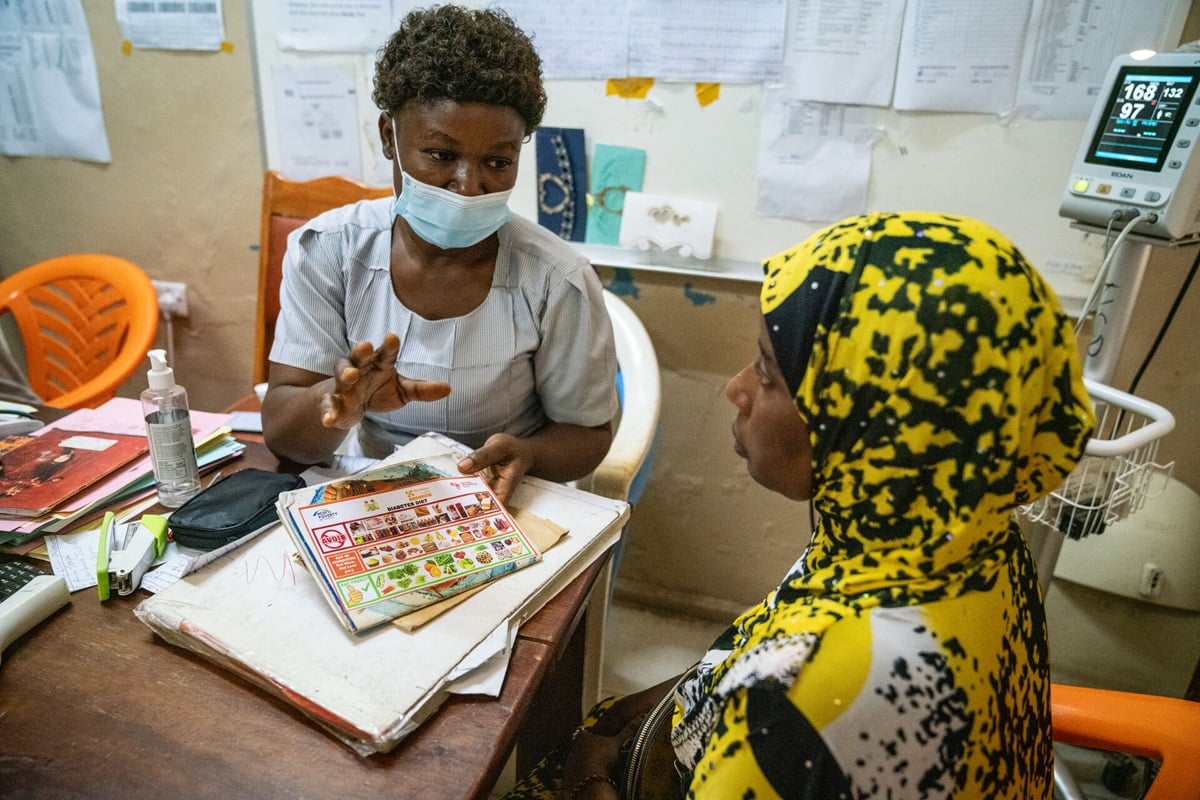
The World Health Organization (WHO) today released its first global guidelines for the management of diabetes during pregnancy, a condition affecting about one in six pregnancies – or 21 million women annually. The new recommendations provide a critical roadmap to tackle this growing health challenge and prevent serious complications for both women and their children.
Diabetes in pregnancy, if not managed effectively, significantly increases the risk of life-threatening conditions such as pre-eclampsia, stillbirth, and birth injuries. It also has long-term consequences, elevating the lifetime risk of type 2 diabetes and cardiometabolic diseases for both mother and child. The burden is greatest in low- and middle-income countries, where access to specialized care and resources may be limited, yet the need is most acute.
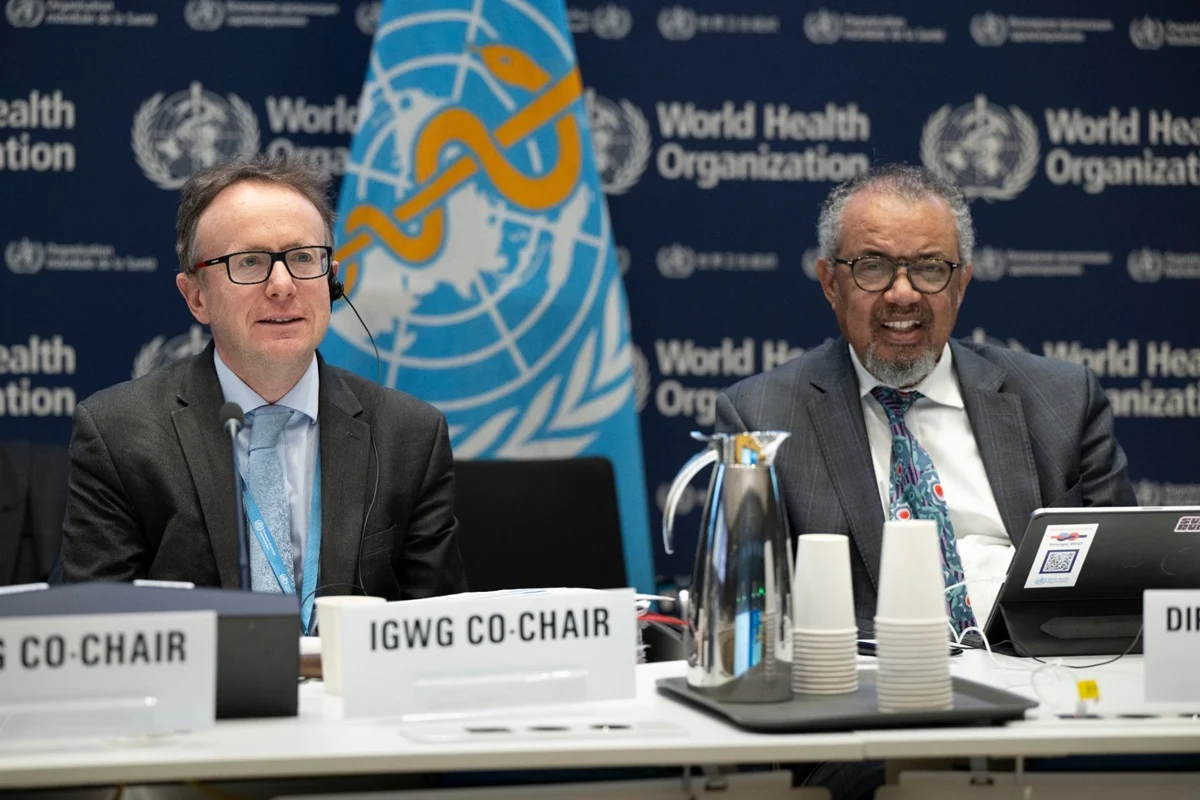
“WHO has long had guidance on diabetes and guidance on pregnancy, but this is the first time we have issued a specific standard of care for managing diabetes during pregnancy,” said Dr Tedros Adhanom Ghebreyesus, WHO Director-General. “These guidelines are grounded in the realities of women’s lives and health needs, and provide clear, evidence-based strategies to deliver high-quality care for every woman, everywhere.”
The guidelines include 27 key recommendations, emphasizing:
- Individualized care: Advice on diet, physical activity, and blood sugar targets.
- Optimal monitoring: All women with diabetes should have their blood glucose checked regularly, both during clinic visits and at home.
- Personalized treatment: Specific medication regimens for type 1, type 2, and gestational diabetes when pharmacotherapy is required.
- Specialized support: Multidisciplinary care for women with pre-existing diabetes.
The release of these guidelines marks a pivotal step in strengthening maternal health and combating noncommunicable diseases (NCDs). They underscore the importance of integrating diabetes care into routine antenatal services and ensuring equitable access to essential medicines and technologies.
The guideline is launched on World diabetes day 2025, the theme of this year, “Diabetes across life stages,” recognizes that every person living with diabetes should have access to integrated care, supportive environments and policies that promote health, dignity and self-management.
Diabetes is one of the fastest-growing health challenges of our time, affecting over 800 million people globally. It is a leading cause of heart disease, kidney failure, blindness, and lower-limb amputation, and its impact stretches across generations and health systems. Over the last decades, the prevalence has been rising the most in low- and middle-income countries, where access to care and essential medicines remains limited.
By focusing on diabetes across life stages, this year’s campaign calls for urgent action to ensure that no one is left behind – from children and adolescents to older adults – and emphasizes the importance of a life-course approach to diabetes prevention, management and overall well-being.