youssef_itani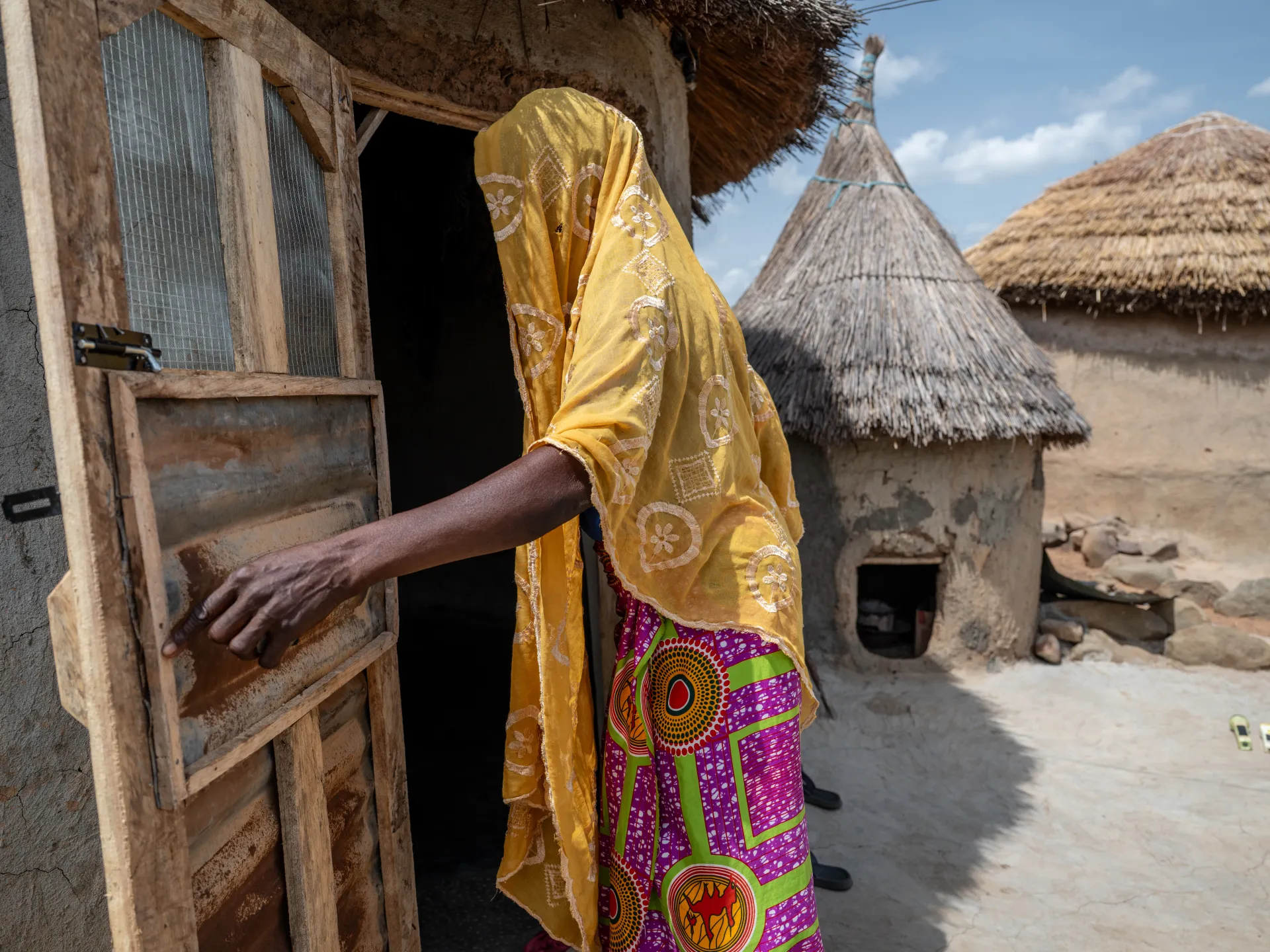
Driven out of their homes
Belief in witchcraft is deeply entrenched across Ghana, cutting through both rural and urban life, explains John Azumah, the director of the Sanneh Institute in Accra, a research centre, which has long supported survivors of witchcraft accusations and is part of a coalition pressing for legal and social reform.
“It’s not just a Ghanaian thing,” Azumah says. “Belief in the supernatural is so powerful in Africa. It’s very strong in Nigeria, in East Africa … What is unique about Ghana is the camps in the north.”
Although accusations occur in other parts of Ghana, women in those areas are more likely to be ostracised than banished. Meanwhile, in the north, the accused are often sent to the “witch camps” that usually serve as their last refuge.
The camps are often located near or within villages and are overseen by traditional priests or camp chiefs, typically appointed by village leaders. The camp in Gambaga is the oldest and most well-known, but others exist in Kukuo, Gnani, and Kpatinga.
Women, often elderly, widowed, or without strong family protection, are most frequently targeted, Azumah says. Many, too, are “the poorest of the poor”, he added. Once accused, they are vulnerable to mob violence, abandonment, or lifelong banishment.
Sometimes, the accusations have deadly consequences. In July 2020, 90-year-old Akua Denteh was lynched in a public market after being accused. Her brutal killing shocked the nation, and sparked calls for reform.
“It is violence against women – a demonisation of women,” Azumah says, explaining how witchcraft is not always viewed as inherently evil. Women accused of witchcraft are feared and condemned, while men who are accused of it are thought to use it for protection or good, he explains.
Almost any misfortune can be interpreted as evidence of witchcraft, says Azumah. “Sometimes people are just accusing others maliciously, or to get them out of the way for some reason. It could be fights over property or farmland, or it could just be pure jealousy, like somebody’s child is doing well in school.”
Once a woman is accused and sent to a camp, she may undergo a traditional “trial”, involving the slaughter of a chicken or guinea fowl. “When the guinea fowl or chicken is dying, the position of the body determines the outcome [of the trial],” explains Alasan Shei, the traditional spiritual leader who oversees the Gnani camp. “If it falls on its back with the head facing up, it means the woman has some witchcraft. But if it lies face down, then she is innocent.”
Yet even when this ritual “proves” innocence, returning home is rare. For most women, the accusation alone is enough to drive them from their communities.
“Most often, the communities where the women are accused will not be ready to accept them back,” says Shei.