youssef_itani
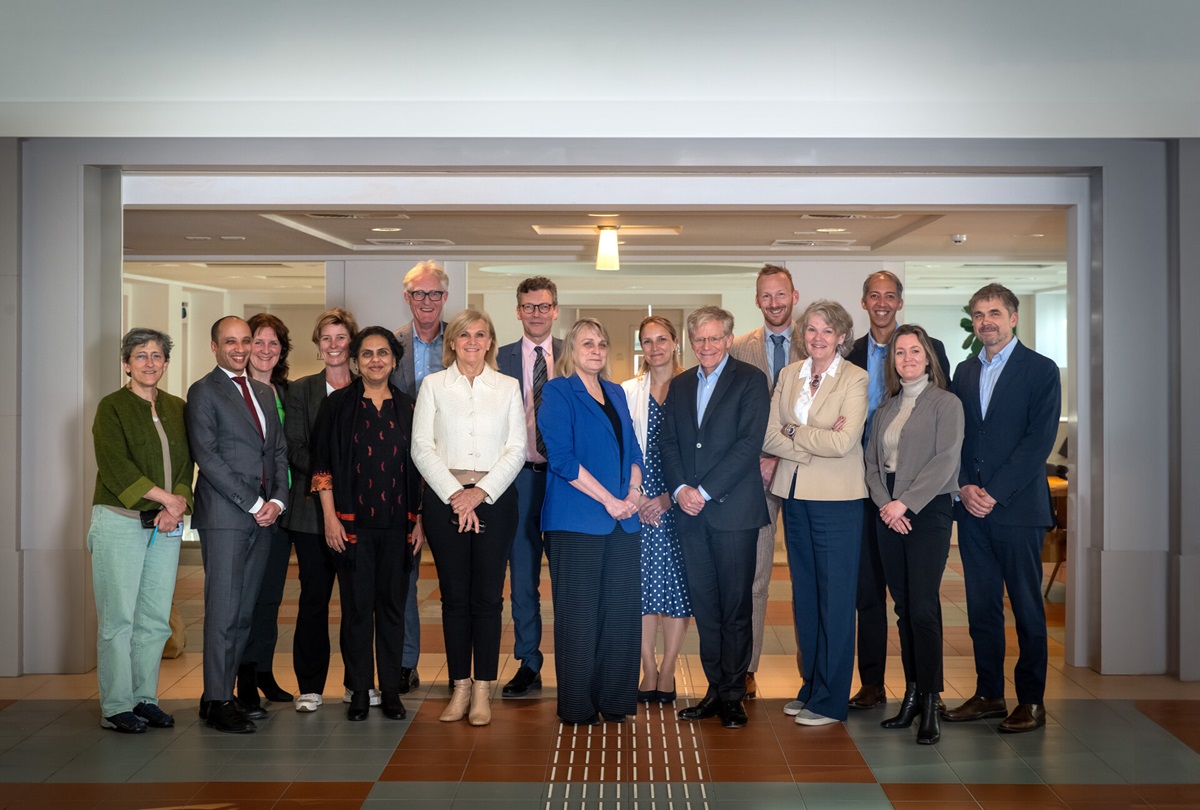
The World Health Organization (WHO) has certified Denmark for the elimination of mother-to-child transmission (EMTCT) of HIV and syphilis, recognizing the country’s sustained commitment to ensuring every child is born free of these infections.
“The elimination of mother-to-child transmission of HIV and syphilis marks a major public health achievement for Denmark,” said Dr Tedros Adhanom Ghebreyesus, WHO Director-General. “This milestone demonstrates that with strong political commitment and consistent investment in primary care and integrated maternal and child health services, countries can protect every pregnant woman and newborn from these diseases.”
The validation, based on an assessment by WHO’s Regional Validation Committee in June 2025 and Global Validation Advisory Committee (GVAC) in August 2025, confirms that Denmark met all required targets from 2021 to 2024, including low transmission rates and high coverage of prenatal testing and treatment for pregnant women.
“As the first European Union country to achieve this public health milestone, Denmark’s success is a testament to the strength of its maternal health system and its long-standing commitment to reaching every pregnant woman with the care she needs,” said Dr Hans Henri P. Kluge, WHO Regional Director for Europe. “Elimination means testing and treating at least 95 out of every 100 pregnant women – and keeping new infant infections below 50 per 100 000 births, year after year. Denmark has met these benchmarks through strong antenatal care, reliable data systems and respect for women’s rights. We will support Denmark as it works toward full triple elimination, when it adds hepatitis B.”
Reaching this milestone reflects decades of sustained commitment by clinical and public health professionals, underpinned by strong health systems and universal health coverage including integrated screening during pregnancy. Denmark’s exemplary data systems, robust laboratory capacity, and high human rights standards have been essential to this success.
“This validation by WHO is a proud moment for Denmark and the result of decades of work by our health-care professionals, midwives, and public health teams to ensure that every pregnant woman receives the screening and care she needs,” said Sophie Løhde, Minister for the Interior and Health, Denmark. “Denmark’s universal health system – built on equal access for all – has been the foundation of this achievement. Being the first country in the European Union to reach this milestone is both an honour and a responsibility. We hope our experience can inspire and support other countries on their path to elimination, and we look forward to completing the journey with the addition of hepatitis B to achieve full triple elimination.”
Denmark’s experience demonstrates what is possible when rights‑based policies, high‑quality services, and strong data systems come together, providing a powerful model and motivator for other countries seeking to strengthen their EMTCT programmes. The country is also on track towards validating hepatitis B virus elimination. WHO is working with Denmark in advancing the triple elimination validation process.
Denmark joins 22 other countries and territories validated by WHO for the elimination of mother-to-child transmission of HIV, syphilis or hepatitis B virus, or certified on the path to elimination, along with Anguilla, Antigua and Barbuda, Armenia, Belarus, Belize, Bermuda, Brazil, Botswana, Cayman Islands, Cuba, Dominica, Jamaica, Malaysia, Maldives, Montserrat, Namibia, Oman, Republic of Moldova, Saint Vincent and the Grenadines, Sri Lanka, St. Kitts and Nevis, and Thailand.
Note to the editor
Denmark has low rates of HIV and syphilis among pregnant women. About 5950 people are living with HIV, and less than 0.1% of pregnant women are affected. Routine testing and treatment have reduced mother-to-child transmission to zero. For hepatitis B, the prevalence of chronic infection is estimated at around 0.2–0.3%, mainly among migrants from endemic regions. Congenital syphilis (syphilis passed from mother to baby) is also uncommon due to systematic prenatal screening and care. In 2024, 626 cases of syphilis were reported overall, mostly in men (524) and fewer in women (102). These low infection rates highlight the effectiveness of Denmark’s public health efforts and comprehensive prenatal care.