youssef_itani
In response to the current outbreak of Ebola disease caused by Bundibugyo virus occurring in the Democratic Republic of the Congo, with cases also reported in Uganda, WHO convened several of its expert and advisory groups. These groups assessed potential vaccines and therapeutics for both prevention and treatment of Bundibugyo virus disease (BVD). The WHO advisory groups recommended that all the products identified and considered be used exclusively within clinical trials to generate robust data and ensure safe, ethical, and effective research.
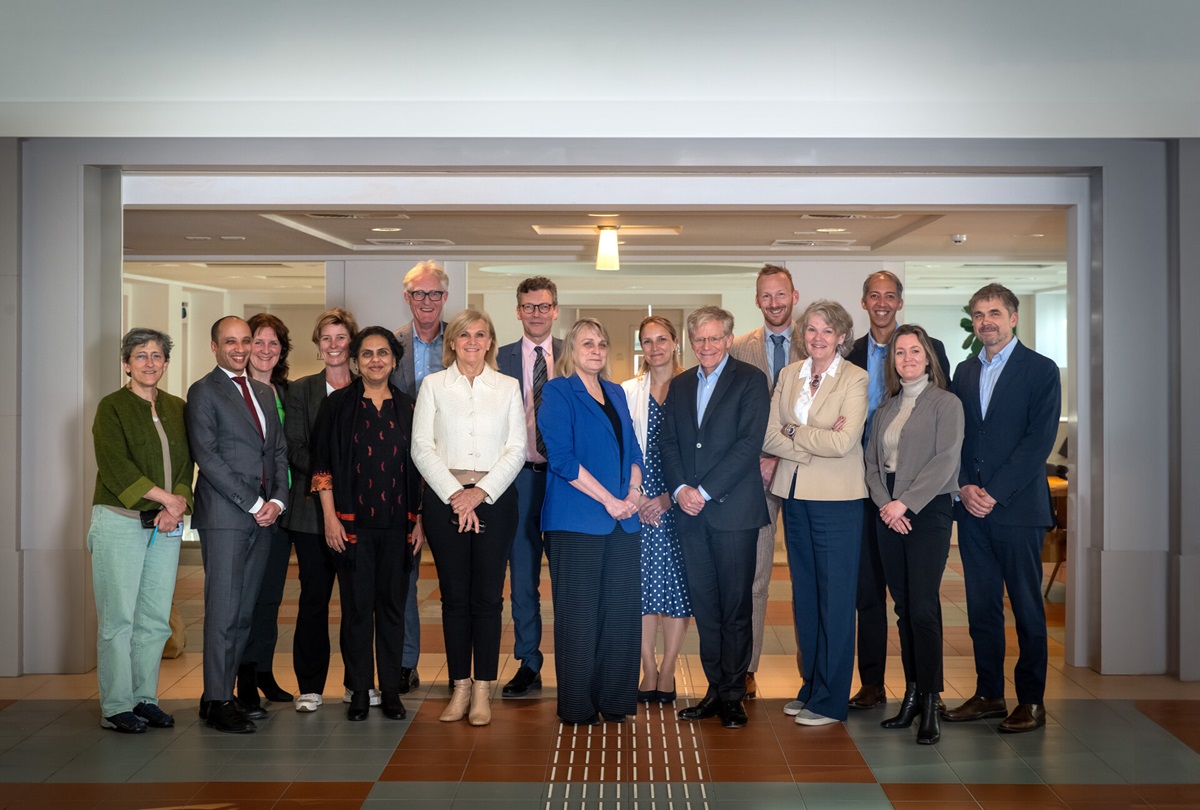
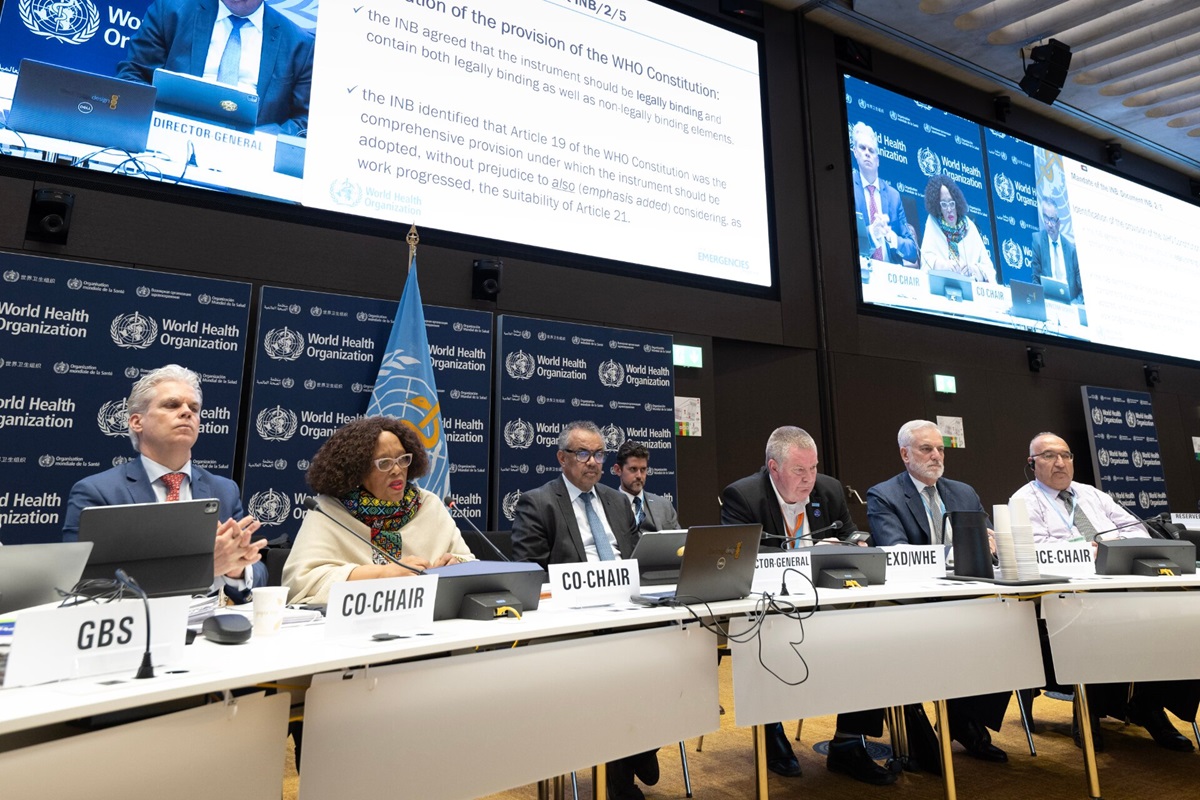
WHO convened a series of meetings with the WHO R&D Blueprint technical advisory groups on candidate vaccines and therapeutics for BVD.
In parallel, WHO also convened the Strategic Advisory Group of Experts on Immunization (SAGE) and its Ebola vaccine working group to advise on the potential role of licensed Ebola vaccines during BVD outbreaks.
Key recommendations
There are currently no licensed therapeutics or vaccines specifically approved for the prevention and treatment of BVD. Nevertheless, WHO advisory groups considered several candidate products that are promising enough to warrant prioritization for evaluation in clinical trials. WHO is now working closely with the governments of the Democratic Republic of the Congo and Uganda to facilitate the implementation of research evaluation of these products.
For treatment of cases:
- For treatment, the independent experts recommended prioritizing three candidate therapeutics for evaluation in research (i.e. clinical trials) among confirmed BVD cases: the monoclonal antibodies MBP134 and Maftivimab®, as well as the antiviral remdesivir.
- Combination therapy using a monoclonal antibody and remdesivir is also recommended for evaluation.
For prevention of cases:
- For post-exposure prophylaxis among contacts of confirmed and probable cases, the oral antiviral obeldesivir was determined to be a priority candidate, although experts noted that this approach depends on effective contact tracing, which remains operationally challenging in some of the affected areas of the Democratic Republic of the Congo. Research on post-exposure prophylaxis involves giving tablets of obeldesivir to contacts of cases to evaluate whether this prevents them from developing Ebola disease.
- The most promising candidate vaccine was determined by the experts to be the single-dose rVSV Bundibugyo vaccine (being developed by the International AIDS Vaccine Initiative or IAVI). The development of this single-dose vaccine candidate will likely require 7–9 months before it is ready to be assessed through a clinical trial for its ability to prevent BDV.
- Another candidate vaccine, ChAdOx1 Bundibugyo (being developed by Oxford University/Serum Institute of India) could potentially become available within 2–3 months for efficacy assessment through a clinical trial. However, additional animal data are still required to support and confirm further prioritization. Experts noted that a single-dose vaccine approach of this candidate could be suitable for contacts of Ebola cases, whereas a two-dose strategy might be considered for high-risk but unexposed populations such as health-care workers and frontline responders.
- The convened experts also reviewed the potential role of Ervebo, the only licensed Ebola vaccine. It is approved for use during outbreaks caused by the most common Ebola virus in Africa, from the Orthoebolavirus family. Ervebo is not licensed for prevention of BVD and evidence on cross-protection to other Ebola virus species remains limited and inconclusive. WHO recommends that Ervebo should not be used outside carefully designed research settings, to allow for its performance against BDV to be assessed.
Ensuring ethical and safe clinical trials
WHO, the governments of the Democratic Republic of the Congo and Uganda, the Africa Centres for Disease Control and Prevention (Africa CDC), the ANRS Emerging infectious diseases (French National Agency for Research on AIDS and Viral Hepatitis), and other scientific partners are working together to develop and implement appropriate protocols to assess the safety and efficacy of the prioritized therapeutics through clinical field trials.
WHO calls for accelerated access to essential supplies, stronger community protection, engagement and trust, and coordinated investment in the research, development and evaluation of BVD countermeasures.
All research must adhere to the highest ethical standards, under the leadership of the national health authorities and in close consultation with affected communities.
In the meantime, our priority is to stop transmission with tools that we have used for decades of Ebola responses, which include disease surveillance, rapid testing and diagnosis, contact tracing, isolation and care for patients, infection prevention and control, community engagement, and safe and dignified burials.
Background
The WHO R&D Blueprint is a global initiative that allows the rapid activation of research and development activities during epidemics. Its aim is to fast-track the availability of proven effective tests, vaccines, and medicines that can be used to save lives and avert large-scale crises.
SAGE is the principal advisory group to WHO for vaccines and immunization. It is charged with advising WHO on overall global policies and strategies, ranging from vaccines and technology, research and development, to delivery of immunization and its linkages with other health interventions.
About WHO
Dedicated to the well-being of all people and guided by science, the World Health Organization leads and champions global efforts to give everyone, everywhere an equal chance at a safe and healthy life.
We are the UN agency for health that connects nations, partners and people on the front lines in 150+ locations – leading the world’s response to health emergencies, preventing disease, addressing the root causes of health issues and expanding access to medicines and health care. Our mission is to promote health, keep the world safe and serve the vulnerable.
“Together for health. Stand with science”, the theme of World Health Day 2026 marks a year-long campaign to highlight science as the foundation for protecting health and well-being worldwide.