youssef_itani
Public health awards
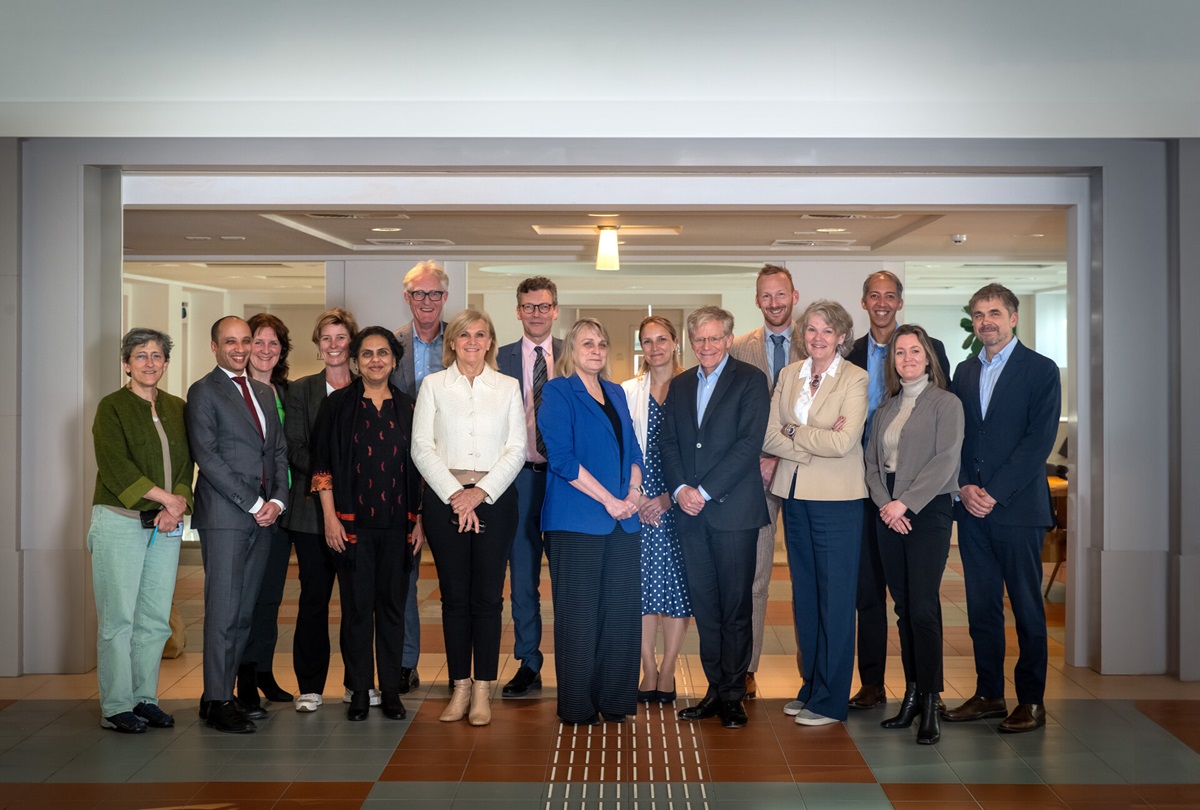
Today at the World Health Assembly, six laureates from around the world received awards for their outstanding contributions to public health. The 2026 prizes celebrate the remarkable dedication of these professionals and institutions to advancing primary health care, reducing inequities and bringing the goal of health for all closer to reality.
The awards were presented by the President of the Assembly, Dr Víctor Elias Atallah Lajam of Dominican Republic, together with high-level representatives of the foundations that established these public health awards and prizes, and the World Health Organization’s Director-General, Dr Tedros Adhanom Ghebreyesus.
Delegates approve decision on health emergency in Ukraine
The Assembly delegates noted today a report by the Director-General related to the humanitarian and emergency health response in Ukraine, and WHO’s continuous support to the country’s emergency health response.
Considering the report, delegates approved a decision requesting continued implementation of the existing resolution WHA75.11 on the health emergency in Ukraine with a progress report to be submitted to the World Health Assembly in 2027.
Assembly spotlights integrated response to NCDs and mental health
Noncommunicable diseases (NCDs) and mental health conditions remain the leading causes of illness and premature death globally, driven by shared social, commercial and environmental factors. Yet many health systems remain fragmented and ill‑equipped to manage multimorbidity, ageing populations and widening inequities.
At a WHO Strategic Roundtable, ministers, policy-makers, partners and people with lived experience explored how systems can better respond to evolving challenges.
Participants stressed the need to move beyond disease‑specific approaches towards integrated, people‑centred systems that address risk factors, strengthen social connections, and engage communities. They also highlighted financing and fiscal policy – including taxation, incentives and reforms—as critical tools to tackle both risk factors and broader health determinants.
The discussion follows the 2025 Political Declarations on NCDs and mental health, which renewed global commitments to coordinated, multisectoral action across prevention, treatment and care.